Overtourism Forces Japan to Cancel Iconic Cherry Blossom Festival
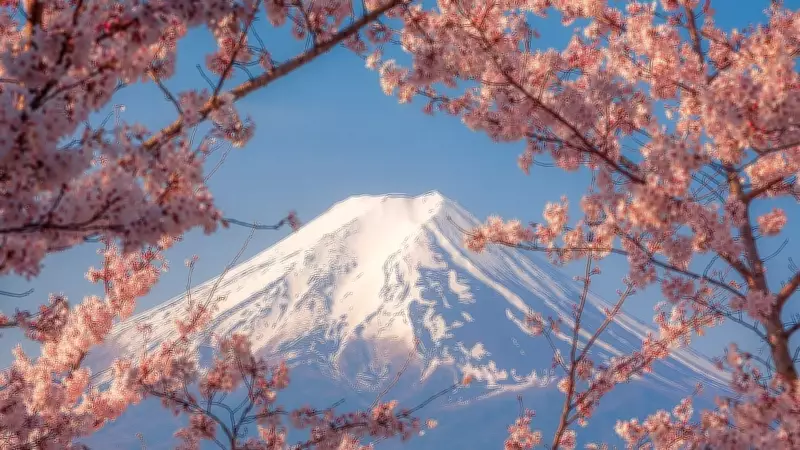
In a significant cultural shift, Japan has officially ended its decade-long Cherry Blossom Festival at Arakurayama Sengen Park, citing severe overtourism as the primary reason. This decision marks the closure of an era that began in 2016, when the park first opened its gates to allow tourists to experience the breathtaking sakura (cherry blossoms) in full bloom against the majestic backdrop of Mount Fuji.
Impact of Badly Behaved Tourists on Local Communities
The influx of visitors to the town of Fujiyoshida has led to chronic issues, including traffic congestion and widespread littering. Residents have reported distressing incidents, such as tourists trespassing on private properties and even defecating in gardens, severely damaging local sentiment and public harmony. These actions not only crossed boundaries but also contributed to environmental pollution without any accountability, forcing authorities to take drastic measures.
Cultural Significance and Global Influence of Sakura
Cherry blossoms hold deep cultural importance in Japan, symbolizing the arrival of spring, hope, and renewal. Their short lifespan serves as a poignant reminder of life's fleeting nature, encapsulated in the Japanese concept of "mono no aware," meaning "nothing lasts forever." This idea permeates art, folk songs, and popular culture. In Shinto beliefs, sakura is thought to harbor sacred spirits, while Buddhists view them as representations of life's ephemerality.

The festival, known for hanami parties held under the cherry trees and night-time celebrations called yozakura, has also gained international popularity. Countries like China, Sweden, and the United States have adopted similar celebrations, with cities such as Washington, D.C., and Macon, Georgia, hosting events to honor Eastern culture, thanks to sakura gifts from Japan.
Social Media's Role in Fueling Overtourism
With the rise of social media, Arakurayama Sengen Park became a viral Instagram hotspot, attracting both local and foreign visitors. The park's picturesque scenery, featuring bright baby-pink cherry blossoms against a sky-blue backdrop, drew crowds that initially boosted the town's economy, tourism, and community. However, this popularity eventually led to unsustainable visitor numbers, exacerbating the overtourism crisis.
Alternative Cherry Blossom Viewing Locations in Japan
For those still wishing to experience sakura, Japan offers several alternative parks and sites:
- Hirosaki Park: Located in northern Japan, it hosts the Hirosaki Sakura-Matsuri, one of the later celebrations.
- Shinjuku Gyo-en National Garden: Features traditional French, English, and Japanese landscaping styles.
- Ueno Park: Japan's most popular city park, home to approximately 800 cherry blossom trees, numerous museums, and shrines.
- Mitsuike Park: Situated in Yokohama, it offers walking trails and ponds amidst cherry blossoms.
- Meguro River: Stretches across Tokyo with over half a mile lined with cherry trees and paper lanterns, ideal for yozakura experiences.
This cancellation underscores the growing global challenge of balancing tourism with cultural preservation and community well-being, as Japan takes a stand against the detrimental effects of overtourism.