The Enigmatic Ruins of Kuldhara Village
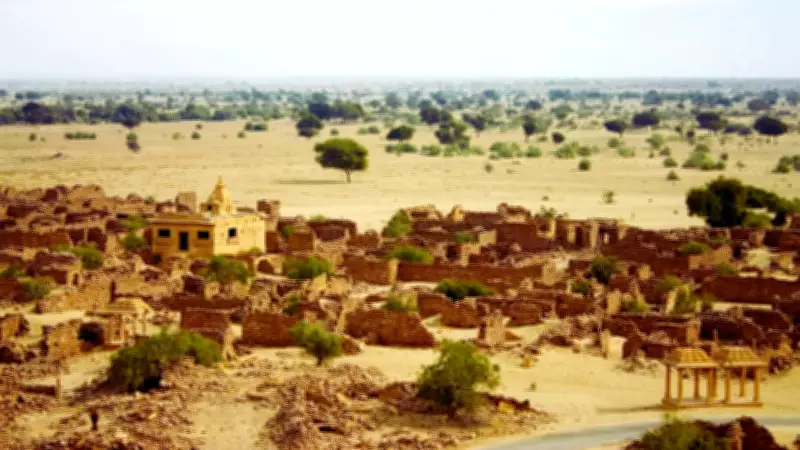
Approximately 18 kilometers west of Jaisalmer, nestled within the stark and breathtaking expanse of Rajasthan's Thar Desert, lie the silent and haunting ruins of Kuldhara village. Picture the intense heat of the desert sun, days so arid they parch the soul, sudden dust storms that obscure vision, crumbling sandstone structures, roofless temples, and desolate streets stretching across the barren landscape. This is not a scene from a Western film but the reality of Kuldhara, a settlement preserved in eerie stillness for nearly two centuries.
Official History vs. Paranormal Lore
Officially documented as an abandoned 19th-century settlement once inhabited by Paliwal Brahmins, Kuldhara has unofficially earned a reputation as one of India's most discussed "haunted" destinations. While historians and archaeologists provide grounded explanations for its desertion, the village continues to captivate paranormal enthusiasts, ghost hunters, and curious travelers. Here are five compelling reasons why Kuldhara maintains such a powerful grip on the collective imagination.
The Mystery of Sudden Abandonment
How did an entire village vanish—some accounts suggest overnight? Established in the 13th century, Kuldhara thrived for centuries under the Paliwal Brahmin community, renowned for their agricultural prowess and innovative water management systems in the harsh desert environment. However, in the early 19th century, around 1825, the village was abruptly abandoned. Oral traditions claim that not just Kuldhara but approximately 80 to 85 neighboring Paliwal villages were vacated in a single night.

Local folklore attributes this sudden departure to oppression by Salim Singh, a powerful minister in the Jaisalmer kingdom, who either imposed exorbitant taxes or sought to forcibly marry a village girl. In contrast, historians point to a combination of factors including excessive taxation, political instability, declining water resources, and shifting trade routes. Although no conclusive archival evidence supports the dramatic notion of an overnight flight, the unexplained disappearance fuels interest among paranormal seekers, adding to the village's mystique.
The Legend of the Curse
A persistent element of Kuldhara's lore is the supposed curse left by the departing villagers. According to the tale, the Paliwals cursed the land, ensuring that no one could ever reside there again. To this day, Kuldhara remains uninhabited, though there is no historical proof of such a curse. Rajasthan's tourism department promotes the site primarily for its heritage value rather than paranormal claims, yet the legend endures in popular culture.
The Atmospheric Desert Setting and Architectural Ruins
Even without ghost stories, Kuldhara exudes an atmospheric charm. The village features rows of sandstone houses, a temple complex, narrow lanes, and courtyard-style homes, all remnants of a well-planned settlement. Preserved by the Archaeological Survey of India and Rajasthan authorities as a protected heritage site, the ruins glow golden under the desert sun by day. At dusk, shifting light and elongated shadows transform the landscape into a dramatically eerie spectacle. Paranormal enthusiasts often describe such environments as ideal for "energy sensing," though scientific evidence of supernatural activity is absent. The profound silence of the Thar Desert, interrupted only by the wind, significantly enhances the psychological impact on visitors.
Popular Culture and Media Amplification
Kuldhara's haunted reputation has been magnified by Indian paranormal television shows, travel documentaries, and social media storytelling. Several paranormal investigation teams have filmed nocturnal visits, with some claiming to record strange sounds or experiences, none of which have been scientifically verified. Importantly, Rajasthan authorities restrict access after evening hours, allowing official entry only during designated daytime slots. Media exposure has played a crucial role in reshaping public perception, transitioning Kuldhara from an archaeological site to a paranormal hotspot in the popular imagination, often labeled as "India's most haunted village" in travel features and online lists.

The Psychological Allure of Abandoned Places
Paranormal tourism frequently intersects with "dark tourism," which involves travel to sites associated with tragedy, mystery, or abandonment. Kuldhara fits this category not due to documented violence or disaster but because of its unresolved narrative. Unanswered questions persist: Was the abandonment truly sudden? Were economic factors the primary cause? Did environmental stresses render survival impossible? The lack of definitive archival clarity allows folklore to flourish, appealing to our innate curiosity as travelers.
Today, Kuldhara is managed as a tourist attraction by the Rajasthan government, with visitors paying an entry fee for access during daylight hours. Rather than a confirmed "haunted village," it is better understood as a historical desert settlement richly layered with folklore, offering a unique blend of heritage and mystery in the heart of the Thar Desert.