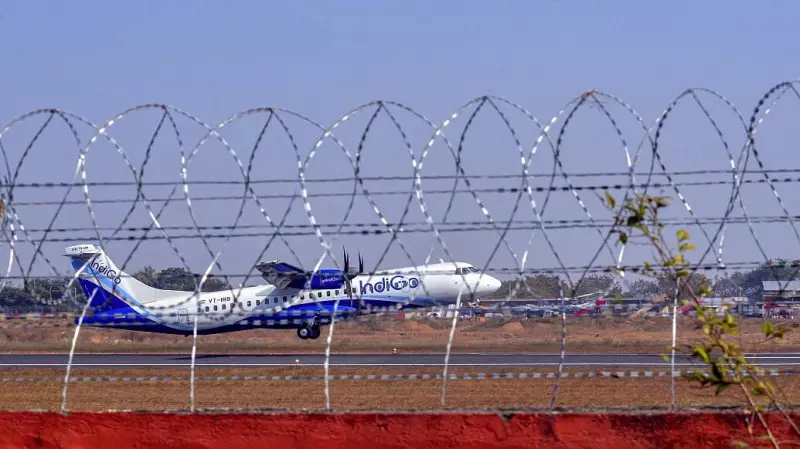
Hundreds of air travelers in North India faced severe disruption as IndiGo, the country's largest carrier, cancelled a significant number of flights to and from Jammu and Kashmir. The sudden move left passengers in a state of confusion and frustration at multiple airports.
Operational Crisis Grounds Over 50 Flights
The cancellations, which took place on a single day, impacted more than 50 scheduled IndiGo flights. The primary airports affected were Srinagar's Sheikh ul-Alam International Airport and Jammu Airport. Key routes that were severely hit included the busy corridors connecting Srinagar and Jammu to the national capital, Delhi, as well as to other major Indian cities.
This large-scale disruption was not due to adverse weather conditions, which are a common challenge in the region. Instead, sources indicated the cancellations were linked to operational constraints faced by the airline. While not explicitly detailed in official statements, such constraints often relate to crew availability issues or logistical bottlenecks in aircraft deployment.

Passengers Left in the Lurch at Airports
The fallout was immediate and chaotic. At Srinagar airport, scenes of distress unfolded as passengers, including families with children and elderly individuals, found themselves stranded. Many had arrived at the airport only to discover their flights were no longer operating.
"We were not informed in advance. We came to the airport and then found out the flight is cancelled. Now we are stuck here with no proper arrangement from the airline," shared one aggrieved passenger, echoing the sentiments of many. The lack of prior communication emerged as a major point of contention, with travelers complaining about the last-minute nature of the cancellations and inadequate support for rebooking or accommodation.
Airline Response and Mounting Passenger Anger
IndiGo acknowledged the disruptions, attributing them to "operational reasons." The airline stated that affected passengers were being offered alternatives, which could include a full refund or re-accommodation on other available flights. However, on the ground, the implementation of these solutions appeared slow, leading to long queues at help desks and heated exchanges.
The incident highlights the vulnerability of air travel in regions like Jammu and Kashmir, where connectivity is crucial and alternatives are limited. Frequent travelers pointed out that such mass cancellations by a dominant player like IndiGo have a disproportionate impact, as options to switch to other airlines at short notice are often scarce and expensive.
This event is likely to prompt scrutiny from aviation regulators regarding passenger rights and the obligations of airlines during large-scale operational failures. For now, it serves as a stark reminder of the chaos that ensues when a key transport link is unexpectedly severed, leaving hundreds of passengers in the lurch and plans in disarray.