Peru's Sacred Valley Airport Sparks Intense Debate Over Tourism and Heritage
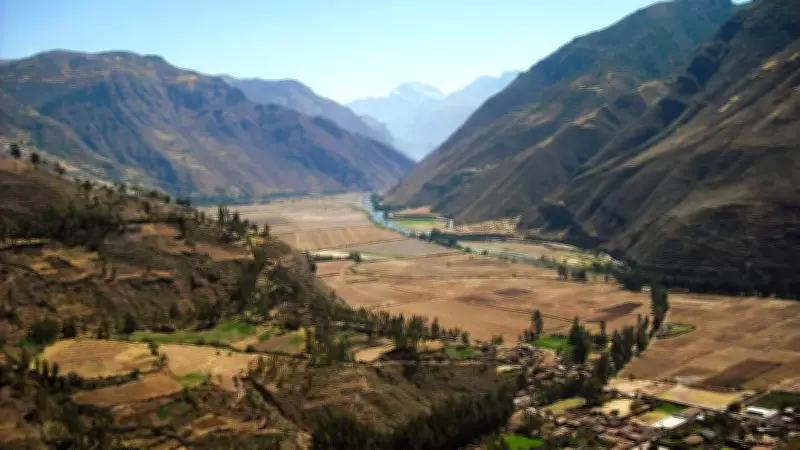
Peru's Sacred Valley stands as one of South America's most culturally and historically significant regions, renowned for its ancient Inca towns, traditional farming communities, and landscapes that have remained largely unchanged for centuries. Situated near the globally famous Machu Picchu, this area is now at the heart of a growing controversy due to plans for a new airport in the town of Chinchero, as reported by BBC Travel. Supporters argue the airport will enhance accessibility, boost tourism, and stimulate economic growth in rural areas, while opponents warn of potential damage to fragile ecosystems, disruption of local communities, and erosion of the valley's cultural identity. This project has become a symbol of the broader conflict between development and conservation in modern Peru.
Why Chinchero Was Chosen for the Airport Site
The airport is slated for construction near Chinchero, a small Andean town approximately 30 kilometers from Cusco. Perched high in the Andes, Chinchero is celebrated for its Inca ruins, colonial church, and long-standing weaving traditions. According to BBC Travel, engineers selected this location due to its flat plateau, deemed suitable for an airport runway. However, this same plateau has been utilized by local communities for generations for farming and grazing, raising concerns about land displacement and cultural impact.
Government Rationale for the New Airport
Peru's government contends that the new airport will alleviate pressure on Cusco's existing airport, which operates in a narrow valley with limited capacity. Currently, most international visitors land in Lima before taking domestic flights to Cusco and then traveling onward to the Sacred Valley and Machu Picchu. Officials assert that a modern airport near Chinchero would enable direct international flights, significantly reducing travel time for tourists. The BBC report indicates that authorities believe this infrastructure will support long-term tourism growth, create employment opportunities, and enhance infrastructure in surrounding rural areas. With tourism being a major component of Peru's economy, improved air access is viewed as essential for maintaining competitiveness.

Archaeological and Local Concerns
The airport proposal has faced substantial opposition since its inception. Archaeologists have cautioned that construction activities could disturb undiscovered Inca-era remains buried beneath the soil. The Sacred Valley served as a key agricultural and ceremonial region for the Inca Empire, and experts emphasize that much of its historical significance remains underground. Local residents have also voiced apprehensions, with farmers fearing loss of access to land essential for crops and livestock, as noted by BBC Travel. Additional worries include potential increases in property values due to tourism, which could disincentivize younger generations from preserving traditional ways of life. Concerns about noise, pollution, and increased traffic further highlight fears that the valley's character could be negatively altered.
Environmental Impact Worries
Environmental groups have raised alarms about the fragile ecosystem of the Sacred Valley, which hosts native flora and fauna alongside traditional high-altitude farming methods. Critics argue that large-scale construction, road widening, and increased air traffic could harm these delicate systems. According to the BBC, opponents are particularly concerned about water usage and waste management, as airports typically consume significant water resources and generate pollution that local infrastructure may struggle to handle. These issues are exacerbated in a region already experiencing the effects of climate change and melting glaciers.

Government Response to Criticism
Peruvian authorities have stated that they have implemented measures to mitigate the project's impact. Officials claim that archaeological surveys have been conducted and environmental safeguards are in place, as reported by the BBC. The government has also pledged to provide compensation and support for affected communities. Proponents of the airport argue that planned development is preferable to uncontrolled tourism growth, suggesting that improved infrastructure can help protect historic sites by better managing visitor numbers and distributing economic benefits more equitably.
Potential Tourism Transformation
If completed, the airport could dramatically reshape tourism in the Sacred Valley. Direct international flights might attract more visitors and reduce travel time, potentially boosting revenue for hotels, guides, and artisans. However, this influx could also strain the area's resources, leading to overcrowding and environmental degradation.
An Ongoing Development Debate
The airport near Chinchero has evolved beyond a mere transportation project, becoming a focal point in Peru's broader discussion on managing growth in culturally vital areas. BBC Travel notes that the initiative continues to face legal challenges, protests, and public criticism. As construction plans advance, the future of the Sacred Valley remains uncertain, with the region at a crossroads where today's decisions will likely have lasting impacts on its culture, economy, and landscape.