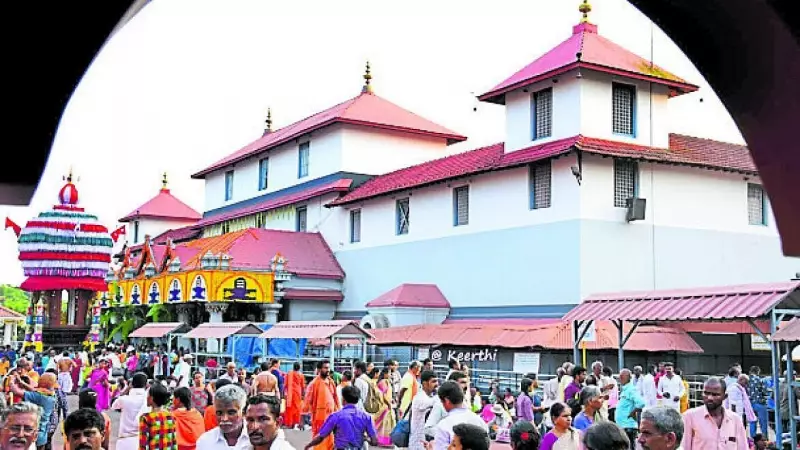
New data from the Karnataka State Road Transport Corporation (KSRTC) reveals a fascinating shift in travel patterns from Bengaluru in the first quarter of 2025. Pilgrimage destinations, particularly temple towns, have surged ahead to dominate bus ticket sales, while traditional leisure and hill station getaways have seen a noticeable decline.
Temple Towns Lead the Charge in Passenger Traffic
The numbers are clear and telling. The Tirupati route emerged as the undisputed leader, with a staggering 1.36 lakh tickets sold between January and March 2025. This massive figure underscores the enduring and growing appeal of the Tirumala Venkateswara Temple for devotees from Karnataka's capital.
Following closely were other significant religious hubs. Shirdi in Maharashtra recorded 1.12 lakh ticket sales, securing its place as a major pilgrimage draw. Within Karnataka, the historic temple town of Dharmasthala also performed strongly, attracting a substantial number of travelers from Bengaluru during this period.

Leisure and Hill Stations Witness a Downturn
In stark contrast to the booming temple traffic, routes to popular leisure and scenic destinations showed a marked slump. Travel to hill stations like Mysuru, Coorg (Kodagu), and Ooty recorded a significant drop. Industry analysts and the KSRTC itself point to a combination of factors behind this trend.
A primary reason cited is the increased preference for personal vehicles and improved rail connectivity for shorter, leisure-oriented trips. When families or groups plan a weekend getaway to nearby hills, the flexibility of a private car often wins over scheduled bus services. Furthermore, the data indicates that longer holiday trips may have been postponed or planned for later in the year, outside the Q1 window.
Broader Trends and Regional Analysis
The KSRTC data, which encompasses services like Rajahamsa, Non-AC Sleeper, and Airavat Club Class, paints a broader picture of regional connectivity. After the top temple destinations, other routes that saw high demand included travels to cities like Hyderabad, Chennai, and Mumbai. This highlights Bengaluru's deep economic and social connections with other major metropolitan centers in South and West India.
The overall performance for the quarter was robust. KSRTC operated a total of 1.71 lakh scheduled trips from Bengaluru, facilitating travel for a vast number of citizens. The concentration of demand on specific pilgrimage routes, however, offers crucial insights for transport planners. It suggests a need to potentially augment services and capacity on these high-demand religious corridors, especially during festivals and special occasions.
Implications for Transport and Tourism
This shift has concrete implications for both the state transport corporation and the tourism sector. For KSRTC, the data is a valuable tool for optimizing resource allocation, scheduling, and fleet management. Understanding that certain destinations have unwavering demand allows for more efficient operational planning.
For the tourism industry in Karnataka and neighboring states, the trend signals where the steady flow of visitors is originating. Businesses in temple towns like Dharmasthala can expect consistent footfall from Bengaluru, while marketers for hill stations might need to devise new strategies to lure back the bus-traveling segment of the market.
In conclusion, the first-quarter travel data for 2025 underscores a cultural and practical reality: for a significant portion of Bengaluru's population, spiritual journeys currently hold stronger appeal than leisurely retreats. This pattern not only reflects the city's socio-cultural fabric but also directly influences the economics of inter-state road transport in the region.