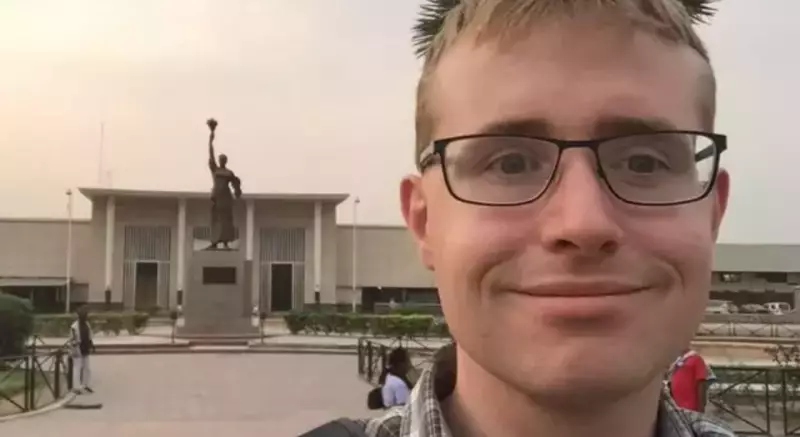
For most people, visiting twenty nations is a life goal. For Danish explorer and blogger Henrik Jeppesen, it was merely the beginning. By the age of 28, he had already stepped foot in over 2,000 destinations and completed his mission to visit every UN-recognised country, ending with Eritrea. Now settled with a family, his nomadic years left him with countless stories, but one from North Korea stands out as the most frightening.
Henrik has faced extreme situations, from the dangers of the Central African Republic to running out of water in Samoa. Yet, he insists he would prefer to live in those places over North Korea. The reason is simple: it's the only country where you cannot move an inch without supervision. Independent travel is banned, and every action is monitored by government guides. A simple mistake, intentional or not, can be seen as a political crime. This reality nearly cost Henrik and a friend their freedom a decade ago.
The Sentimental Mission That Became a 'Big Felony'
Henrik travelled to North Korea about ten years ago with a companion on a deeply personal mission. The companion aimed to honour a late friend, one of the world's most travelled individuals, who died before reaching every country. The tribute involved scattering the friend's ashes in every nation on Earth. While successful elsewhere, North Korea presented a unique challenge.

The nation only permits tourists on tightly controlled, state-approved tours where minor rule violations can lead to interrogation, confiscation, or detention. Henrik wrote on his blog, Every Country in the World, that his companion asked the guides for permission to scatter the ashes. The answer, unsurprisingly, was a firm no. In a country where photographing a statue from the wrong angle can cause trouble, spreading foreign ashes was unthinkable.
Despite the refusal, the man proceeded quietly. He filmed a selfie video of himself spreading the ashes on the North Korean side of the Demilitarised Zone (DMZ), the heavily fortified border. That single video almost destroyed both their lives.
Airport Interrogation: The Tense Moment of Truth
On the drive back to Pyongyang, the guides asked to check his camera—an ominous request in a place where nothing is casual. He avoided it temporarily, but the relief was short-lived. At Pyongyang International Airport, officials ordered him to surrender all electronic devices for inspection. They meticulously combed through everything and eventually discovered the incriminating video.
Henrik recalled the officials' fury. "He got into trouble because they found a video where he is filming himself doing it… I think this is a big felony," he said. The atmosphere turned icy. North Korean staff accused the companion of "polluting their country," and more officials gathered. The stakes became terrifyingly real for the two Danes.
Years later, watching the case of American student Otto Warmbier—who was arrested in North Korea and died shortly after returning home—Henrik told reporters it made him think: "that could easily have been me." He acknowledged the risk was greater for his companion, but as his travel partner, he could have easily shared the fate. "They could easily have put us into labour camps," he stated, not exaggerating the peril where foreigners have been jailed for far lesser offences.
The Apology Letter That Secured Their Freedom
Their fate hinged on a piece of paper. "We were extremely blessed to get out of North Korea alive and without going to prison," Henrik said. The key was an apology letter addressed to the 'Dear Leader'. Writing this letter appeared to defuse the situation, and they were permitted to leave.
Henrik speculates the authorities may have considered imprisoning two tourists as bad publicity, or perhaps they simply lost interest. He admits chance played a significant role in their escape. Even their departure was not peaceful; North Korean officials screamed at them at the airport, reiterating that his companion had "polluted" the country, as a crowd gathered to witness the scene.

Reflecting on the experience, Henrik still describes North Korea as "the most interesting country in the world" precisely because it is the only one where you lack complete freedom. This 'interesting' nature, however, carries immense risk. For the few outsiders who enter, it's a labyrinth of unspoken rules with severe, unpredictable consequences.
Henrik and his friend were ultimately lucky. A gesture of remembrance for a fellow traveller almost sparked a diplomatic crisis and could have ended with two more men vanishing behind North Korea's closed doors. They made it out. Many others have not been so fortunate.