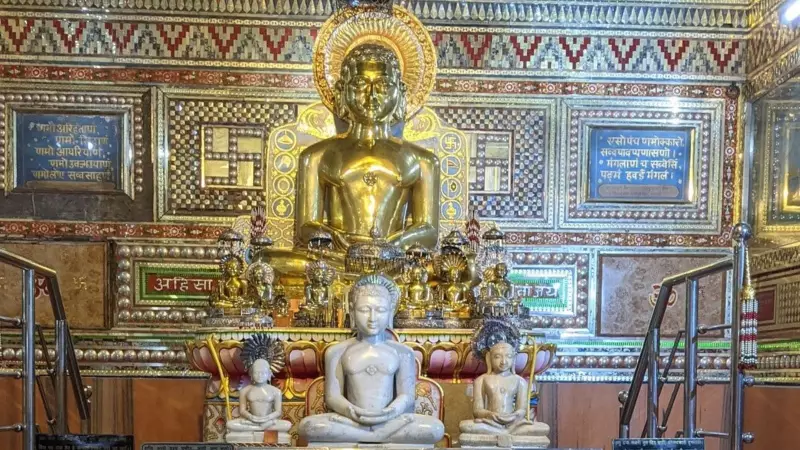
Major Boost for Jain Heritage in Lucknow
The Uttar Pradesh government has given its official approval for a significant development project aimed at enhancing the Digambar Jain Temple located in the Indranagar area of Lucknow. A substantial fund of Rs 1 crore has been allocated specifically for this initiative, which was cleared in the first week of December 2025.
Comprehensive Development Plan Underway
This project falls under the ambit of the Chief Minister’s Tourism Development Scheme. The primary objective is to substantially improve the experience for the thousands of devotees who visit this sacred site annually. The plan involves a complete redesign of the area surrounding the temple.
The key infrastructural upgrades will include:

- Construction of wider roads for better access.
- Installation of modern, new lighting systems.
- Ensuring proper sanitation and drinking water facilities.
- Setting up clear signage for easy navigation.
- Creating comfortable seating areas and organized parking.
- Establishing a dedicated information kiosk for visitors.
Preserving History and Boosting Local Economy
Officials emphasized that this development is a crucial part of the government's broader strategy to strengthen the Jain Heritage in the state capital. The temple is not just a place of worship but a repository of ancient artifacts. While the Jain temple in Lucknow's Ashiyana area is known for its thousand-year-old idol of Lord Mahavir, the Indiranagar temple is home to an invaluable, approximately 800-year-old handwritten Jain manuscript.
The latest plan is perfectly aligned with the state's efforts to systematically develop locations within the Jain tourism circuit. An official highlighted that the project is designed with a multi-faceted benefit in mind. "The idea is to ensure that the project also supports local employment, encourages small businesses near the temple area, and turns it into a significant hub for religious tourism," the official stated. This initiative is expected to create a positive economic ripple effect, benefiting local vendors and service providers while preserving and promoting an important part of India's cultural and religious tapestry.