The Viral Coffee Grounds Toilet Cleaning Hack Taking Over Europe
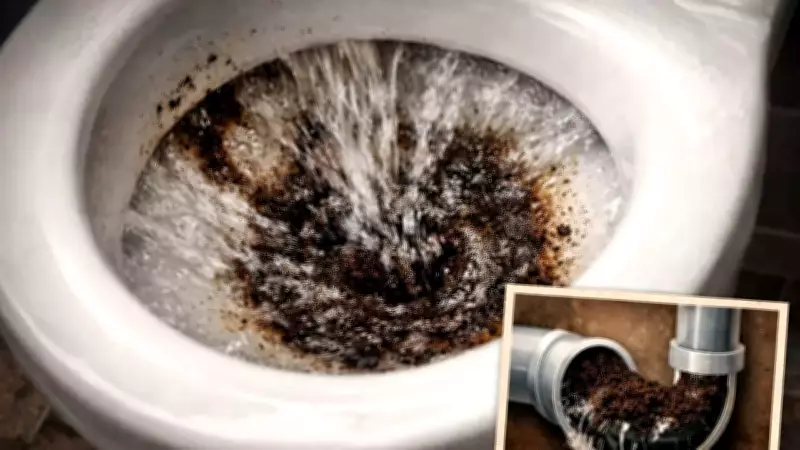
Across social media platforms in Europe, a peculiar and seemingly ingenious household cleaning tip has captured widespread attention. The trend involves repurposing used coffee grounds as a natural toilet cleaner. Videos demonstrate users sprinkling damp coffee grounds into the toilet bowl, giving it a light scrub, and then flushing it away.
Proponents of this method champion it as an effective, chemical-free solution that cleans surfaces, removes stains, and neutralizes odors. The appeal is multifaceted: it aligns with zero-waste lifestyles, recycles a common kitchen byproduct, and avoids harsh bleaches or commercial cleaners. For many, it represents a perfect intersection of sustainability and practicality.
Why Plumbing Experts Are Sounding the Alarm
Despite its eco-friendly allure, plumbing and maintenance professionals are issuing strong warnings. The core problem is simple: coffee grounds do not dissolve in water. When wet, they form dense, clumping masses. These clumps, combined with the natural oils and fine particulate matter in the grounds, can adhere to the interior walls of plumbing pipes.

Over time, this accumulation is not trivial. In pipes with bends, junctions, or older, narrower designs—common in buildings constructed before the 1980s—these coffee ground deposits can build up significantly. This leads to reduced water flow, the development of partial blockages, and eventually, complete clogs. Maintenance crews across Europe, particularly in German cities, report a noticeable increase in service calls related to these soft, organic obstructions.
The financial and practical repercussions are substantial. Clearing these clogs often requires professional intervention, which is not inexpensive. The risk extends beyond single-family homes. In apartment complexes with shared plumbing stacks, the occasional flushing of grounds by one resident can create problems that affect multiple units, turning a personal habit into a communal nuisance.
The Right Way to Reuse Coffee Grounds
Experts emphasize that while the toilet hack is ill-advised, coffee grounds are far from useless. They are, in fact, a valuable resource for composting and gardening. Rich in nitrogen, phosphorus, and other minerals, spent coffee grounds are an excellent addition to compost bins or can be worked directly into garden soil to nourish plants.
For cleaning purposes, using a small amount of grounds to scrub a tough stain in a sink or bowl might be acceptable if disposed of properly in the trash, not the drain. The key takeaway is that regular flushing of any non-dissolving organic material, including coffee grounds, poses a hidden but real risk to household and building infrastructure.
This viral trend serves as a cautionary tale. What begins as a well-intentioned, sustainable life hack can quietly lead to inconvenient and costly plumbing failures. Homeowners and renters are urged to consider the long-term health of their pipes before adopting such social media-driven practices.