Exploring the World's Tallest Waterfalls: A Height-Based Ranking
Waterfalls captivate global tourists not only for their breathtaking natural beauty but also for their impressive heights. While some waterfalls are wide and voluminous, others are narrow and plunge from extreme elevations, making height a key factor in comparing these natural wonders. Found in diverse habitats, from lush rainforests to rugged mountainous regions, certain waterfalls have gained worldwide fame due to their exceptional stature.
Based on data from World Atlas and Worldostats, here is a detailed list of the top 10 tallest waterfalls in the world, ranked by height in feet.
List of the Tallest Waterfalls in the World
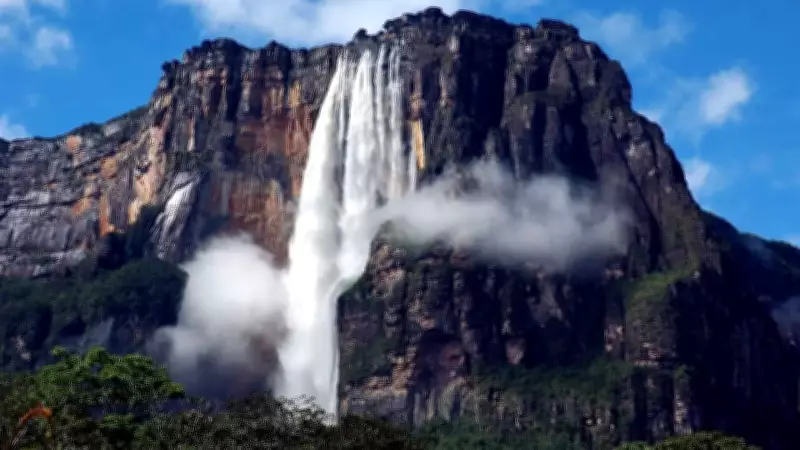
- Angel Falls, Venezuela – 3,212 feet
- Tugela Falls, South Africa – 3,110 feet
- Tres Hermanas Falls, Peru – 2,999 feet
- Olo’Upena Falls, United States – 2,953 feet
- Yumbilla Falls, Peru – 2,940 feet
- Vinnufossen, Norway – 2,822 feet
- Balåifossen, Norway – 2,789 feet
- Pu’uka’oku Falls, United States – 2,756 feet
- James Bruce Falls, Canada – 2,756 feet
- Browne Falls, New Zealand – 2,743 feet
In-Depth Look at the World's Tallest Waterfalls
Angel Falls remains the undisputed tallest waterfall globally, with a total height of 3,212 feet, as recognized by The Guinness World Records. It cascades from Auyán-tepui, a flat-topped mountain in Venezuela, and its extreme height often causes the water to fall in an intermittent stream rather than a continuous flow. Located within Canaima National Park, access to Angel Falls is remote, typically requiring river travel or small aircraft, and it feeds into the Carrao River below.

Tugela Falls is the second tallest waterfall, measuring approximately 3,110 feet. Situated in Royal Natal National Park, part of the Drakensberg mountain range in South Africa, it differs from Angel Falls by consisting of a series of cascades rather than a single vertical drop. The Tugela River supplies its flow, which varies with rainfall and seasonal changes.
Tres Hermanas Falls ranks third with a height near 2,999 feet. Located in Otishi National Park, Peru, this waterfall descends in multiple stages through dense vegetation, giving it a segmented appearance that adds to its visual appeal.
Olo’Upena Falls, on the island of Molokai in Hawaii, holds the fourth position at 2,953 feet. Its inaccessibility by land limits direct observation, making it a hidden gem among the world's tallest waterfalls.
Yumbilla Falls stands at 2,940 feet, securing the fifth spot globally. Formed by the Utubamba River in Peru, it features a tiered structure with several visible drops that contribute to its total height.
Vinnufossen is Europe's tallest waterfall, measuring about 2,822 feet. Located in a valley in Norway, its flow depends heavily on snowmelt, and it plunges into the Vinnu River before joining the Driva River below.
Balåifossen follows closely with a drop of 2,789 feet. Influenced by Norway's cold climate and mountainous terrain, it maintains flow during warmer months as snow melts.
Pu’uka’oku Falls in the United States shares a similar environment, dropping 2,756 feet along steep coastal cliffs, contributing to its status as one of the highest sea cliff waterfalls in the world.
James Bruce Falls in Canada is North America's tallest waterfall, originating from a snowfield and flowing into Princess Louisa Inlet with a strong seasonal flow.
Browne Falls completes the list at 2,743 feet. Located in Fiordland National Park on New Zealand's South Island, it originates from a glacial lake and descends into Doubtful Sound, supported by the surrounding dense rainforest that ensures a steady water supply year-round.