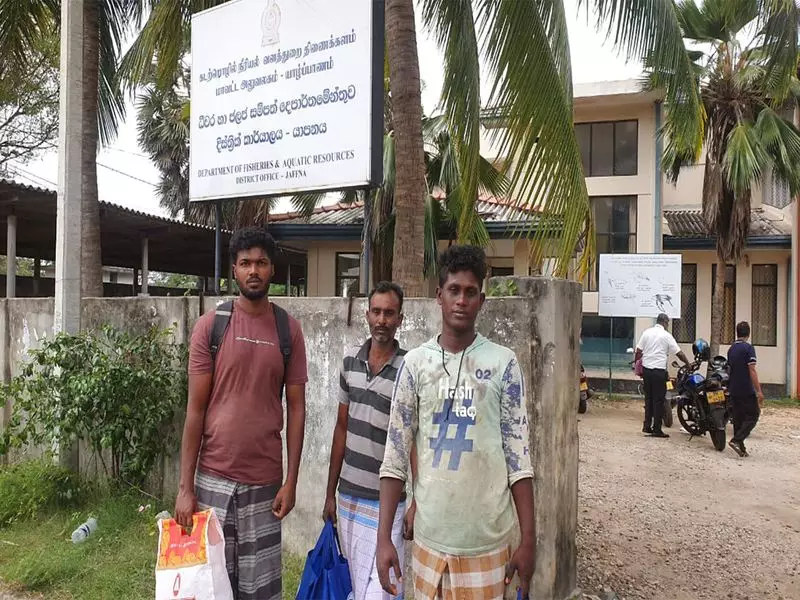
The Sri Lankan Navy has apprehended three fishermen from Tamil Nadu, India, in a fresh incident that underscores the persistent tensions in the shared maritime waters. The fishermen were taken into custody on the morning of Tuesday, May 21, 2024, while fishing near Delft Island, an area that has frequently been a flashpoint between the two nations.
Details of the Maritime Incident
According to official reports from Sri Lankan authorities, the apprehension occurred in the sea waters off the coast of Delft Island, known locally as Neduntheevu. The Sri Lankan Navy personnel were on a routine patrol when they intercepted the Indian fishing vessel. The three fishermen, all hailing from Ramanathapuram district in Tamil Nadu, were detained along with their trawler.
The identities of the apprehended individuals have been confirmed as M. Kalaivanan, M. Muthukumar, and M. Gopal. Following the detention, the fishermen and their boat were transported to the Kankesanthurai port in Sri Lanka's Northern Province. They are expected to be handed over to the authorities in Jaffna for further legal proceedings.

Background and Recurring Tensions
This incident is not an isolated one. The Palk Strait, a narrow strip of water separating Tamil Nadu from Sri Lanka's Northern Province, has been a longstanding source of diplomatic and humanitarian concern. Indian fishermen often cross the International Maritime Boundary Line (IMBL) in search of a better catch, leading to frequent arrests by the Sri Lankan Navy, which views such crossings as illegal poaching in its territorial waters.
From the Sri Lankan perspective, the use of mechanized trawlers by Indian fishermen is also criticized for damaging the local marine ecosystem and the livelihoods of Sri Lankan fishing communities. The issue remains a sensitive point in bilateral relations, with periodic talks and mechanisms in place, yet a permanent solution has remained elusive.
Official Response and Next Steps
The Indian government, through its diplomatic channels, is actively engaged in the matter. The Indian Embassy in Colombo and the Ministry of External Affairs are in touch with Sri Lankan authorities to secure the early release and repatriation of the fishermen. The state government of Tamil Nadu has also been alerted and is likely to raise the issue with the central government, urging swift action.
Such incidents typically follow a protocol where the fishermen are produced before a local court. The process for their release involves consular access and legal formalities, which can take several days or weeks. The safety and well-being of the detained men remain the immediate priority for Indian officials.
This latest detention serves as a stark reminder of the complex challenges surrounding fishing rights in the Palk Bay region. It highlights the urgent need for a sustainable, humane, and long-term resolution that respects the livelihoods of fishermen on both sides while adhering to international maritime laws.