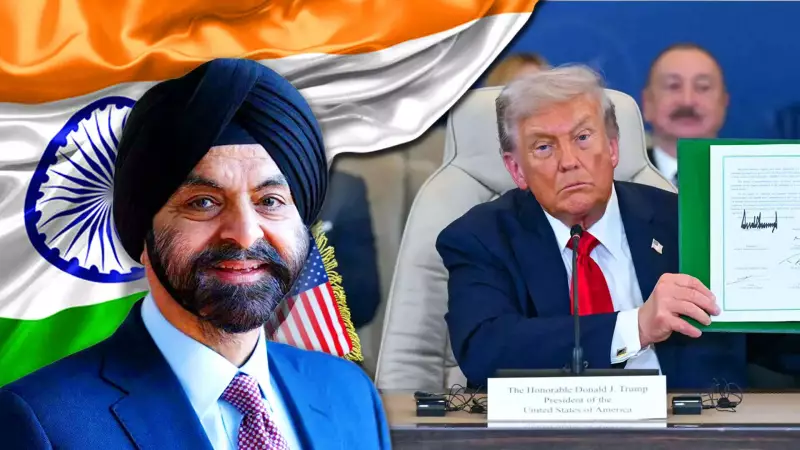
Indian-Origin Leader Ajay Banga Joins Trump's Gaza Peace Initiative
Donald Trump has appointed Indian-origin former banker Ajay Banga to his Gaza Peace Board. This move places Banga at the center of one of the world's most complex geopolitical conflicts. The announcement came on January 17, 2026, drawing immediate attention to India's growing influence on the global stage.
Why Ajay Banga's Selection Matters
Ajay Banga currently serves as President of the World Bank Group. He brings extensive experience in development solutions for fragile regions. His practical approach to economic challenges makes him uniquely qualified for this sensitive diplomatic role.
Banga's background reflects India's educational excellence. He was born in Khadki, Maharashtra and studied at India's premier institutions. His career includes leadership positions at major global corporations and significant institutional rebuilding efforts.

India's Growing Global Leadership Role
This appointment demonstrates several important developments:
- India is becoming a significant provider of global leadership talent
- Indian-origin professionals are increasingly shaping international governance
- India maintains neutrality in the Gaza conflict while offering expertise
- The world recognizes Indian competence and trustworthiness in crisis management
India is not taking sides in the Gaza conflict, yet global powers are turning to Indian expertise to manage complex situations. This reflects a broader trend where Indian professionals are assuming critical roles in international diplomacy.
The Bigger Picture: Indian Talent in Global Governance
As global power dynamics continue to shift, Ajay Banga's appointment represents more than just one individual's career achievement. It signals India's emergence as a source of trusted leadership for sensitive international missions.
The Gaza Peace Board faces enormous challenges in navigating one of the world's most entrenched conflicts. Banga's selection suggests that practical development experience and neutral diplomatic positioning are becoming increasingly valuable in global conflict resolution.
This development comes at a time when Indian-origin leaders are making significant impacts across various international organizations and diplomatic initiatives. Their success reflects both individual merit and the growing recognition of India's strategic importance on the world stage.