

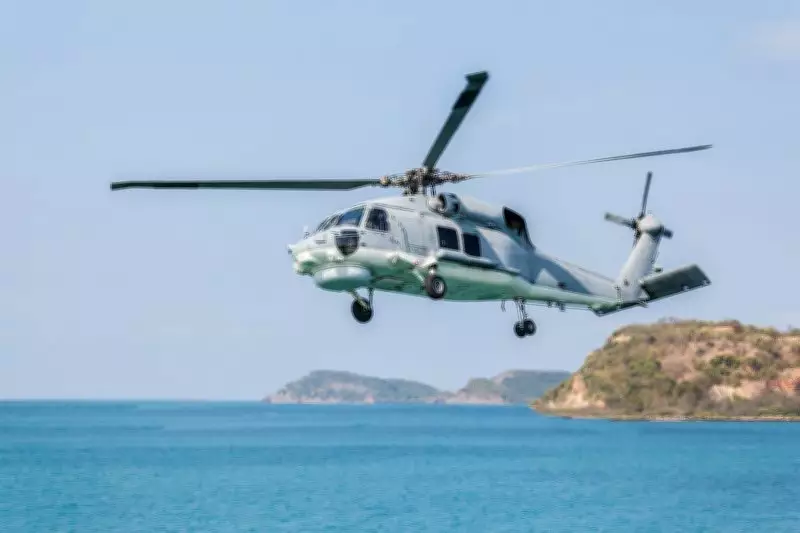
Andaman Helicopter Crash Probe Reveals Critical Safety Failures
A detailed investigation into the tragic helicopter crash in the Andaman and Nicobar Islands has uncovered significant operational errors and safety oversights. The probe report, which has been submitted to authorities, points to two primary factors that led to the fatal sea impact: the emergency floats were not armed, and the aircraft descended at an excessively high rate.
Key Findings from the Investigation
The report emphasizes that the helicopter's emergency flotation devices, designed to keep the aircraft afloat in water landings, were not activated prior to the flight. This critical lapse meant that when the helicopter hit the sea, it lacked the buoyancy needed to prevent sinking, exacerbating the crash's severity.
Additionally, investigators found that the pilot executed a descent at a rate far exceeding safe operational limits. This high descent speed, combined with the unarmed floats, resulted in a forceful impact with the water surface, causing extensive damage to the helicopter and leading to casualties.

Operational and Safety Implications
The probe has raised serious concerns about adherence to pre-flight safety protocols in the region. It highlights a failure in checklist procedures, where arming the floats is a mandatory step for over-water flights. This oversight suggests potential gaps in training or compliance among flight crews.
Furthermore, the report calls for a review of descent procedures in maritime environments, recommending enhanced monitoring and stricter enforcement of descent rates to prevent similar incidents in the future. The findings underscore the need for improved safety measures and regular audits in aviation operations, especially in challenging terrains like the Andaman Islands.
Response and Recommendations
In response to the probe, aviation authorities have initiated corrective actions, including refresher training for pilots and crew on emergency procedures. The report also advocates for the installation of advanced warning systems to alert pilots of unsafe descent rates during over-water flights.
The crash, which occurred during a routine mission, has prompted a broader evaluation of helicopter safety standards in India's coastal and island regions. Experts stress that implementing the probe's recommendations could mitigate risks and enhance operational safety, ensuring such tragedies are avoided moving forward.






