The Indian Army is moving swiftly to operationalise a transformative restructuring plan aimed at bolstering its combat effectiveness along the sensitive frontier with China. Plans to establish four agile, self-sufficient Integrated Battle Groups (IBGs) have gathered significant momentum and are poised for implementation, beginning with formations under the Panagarh-based XVII Mountain Strike Corps.
Structure and Command of the New Fighting Units
According to multiple highly-placed sources, discussions are in an advanced stage to raise these four IBGs from the two divisions of the XVII Mountain Strike Corps – the 59 Division and the 23 Division. This move awaits final government sanction. In a significant departure from traditional structures, each IBG will be commanded by an officer of Major General rank and will consist of a potent mix of over 5,000 troops. Notably, the IBG format will eliminate the layer of brigade commanders, ensuring a flatter and more responsive chain of command.
The composition of each proposed IBG is designed for integrated, combined arms operations. It will include infantry battalions, artillery regiments, and critical support elements from the Corps of Electronics and Mechanical Engineers (EME), Combat Engineers, Army Service Corps, and medical units like field hospitals. While self-contained for combat, these groups will be able to draw additional logistics and fire support from the corps headquarters and other holding formations of the XVII MSC as required.

Strategic Imperative in the Eastern Theatre
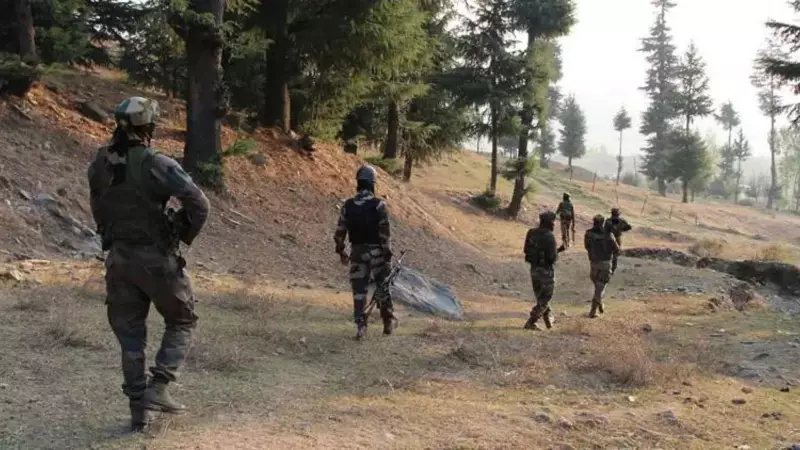
The establishment of IBGs is seen as a crucial adaptation for modern warfare, especially in the challenging mountainous terrains along the Line of Actual Control (LAC). Their primary strength lies in agility and swift application of force. Unlike a full corps, which can comprise up to one lakh soldiers and takes considerable time to mobilise, an IBG can be deployed rapidly to a crisis point without waiting for the entire corps to move.
This restructuring is part of a larger, capability-driven transformation of the Indian Army, which also includes the creation of Bhairav battalions, Rudra brigades, Divyastra batteries, and Shaktibaan units. The IBG concept itself was proposed in one of four major studies initiated by former Army Chief General Bipin Rawat and has been under discussion for approximately seven years. It was test-bedded with the IX Corps on the western border with Pakistan around 2019 and further validated through exercises like 'HimVijay' in the eastern theatre in 2019.
Aligning with Modern Military Trends
The move towards smaller, more versatile integrated units mirrors similar advancements by the Chinese People's Liberation Army (PLA). Over the last decade, China has transitioned from larger divisional structures to Combined Arms Brigades (CABs). These CABs integrate tanks, artillery, air defence, and support units, making them more flexible and designed for joint operations.
Once established, these will be the Indian Army's first official IBGs. Their creation is expected to ensure better cohesiveness in combined arms operations. Furthermore, they are envisioned to seamlessly integrate under specific theatre commands in the future, marking a significant step in India's military modernization to meet contemporary strategic challenges.