

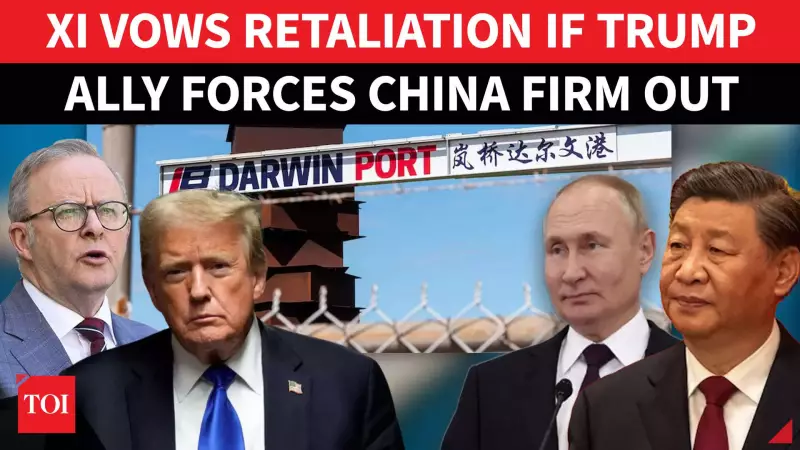
Australia-China Darwin Port Dispute Escalates: Beijing Warns of Retaliation
A significant diplomatic confrontation is intensifying between Australia and China over the strategic Port of Darwin, with Beijing issuing stark warnings of potential retaliation. The dispute centers on Australia's efforts to reclaim control of the port from Chinese company Landbridge, which holds a 99-year lease agreement.
China's Strong Warning and Economic Concerns
China's ambassador to Australia, Xiao Qian, has expressed strong objections to Canberra's actions, accusing the Australian government of changing the rules after the port became profitable. In a forceful statement, Ambassador Qian cautioned that any forced action to terminate Landbridge's lease could severely damage Chinese investment, bilateral cooperation, and trade relations in northern Australia.
The ambassador emphasized that such moves would undermine the trust and stability that underpin economic partnerships between the two nations. This warning comes at a time when China accounts for nearly a quarter of Australia's total trade, making the economic stakes particularly high.

Australia's National Interest Stance
Australian Prime Minister Anthony Albanese has firmly defended the decision to reclaim the Port of Darwin, stating that it aligns with Australia's national interest and security priorities. The Prime Minister has clarified that commercial negotiations are currently ongoing, suggesting a potential pathway for resolution through diplomatic channels.
However, the Australian government remains steadfast in its position that regaining control of the port is essential for safeguarding sovereign interests. Darwin's strategic importance is amplified by its hosting of key military infrastructure, making this dispute particularly sensitive from a security perspective.
Broader Implications for Sovereignty and Security
The escalating tension raises critical questions about:
- Sovereignty and control over vital national infrastructure
- Security concerns related to foreign ownership of strategic assets
- The economic cost of confronting a major trading partner like China
- The future of Australia-China relations amid growing geopolitical tensions
This dispute represents more than just a commercial disagreement—it reflects deeper geopolitical currents and competing visions of national interest in the Indo-Pacific region. The outcome could set important precedents for how nations balance economic partnerships with security considerations in an increasingly complex global landscape.
As both nations navigate this delicate situation, the international community watches closely, recognizing that the resolution of this standoff could influence broader patterns of foreign investment, infrastructure control, and diplomatic relations in the region for years to come.






