

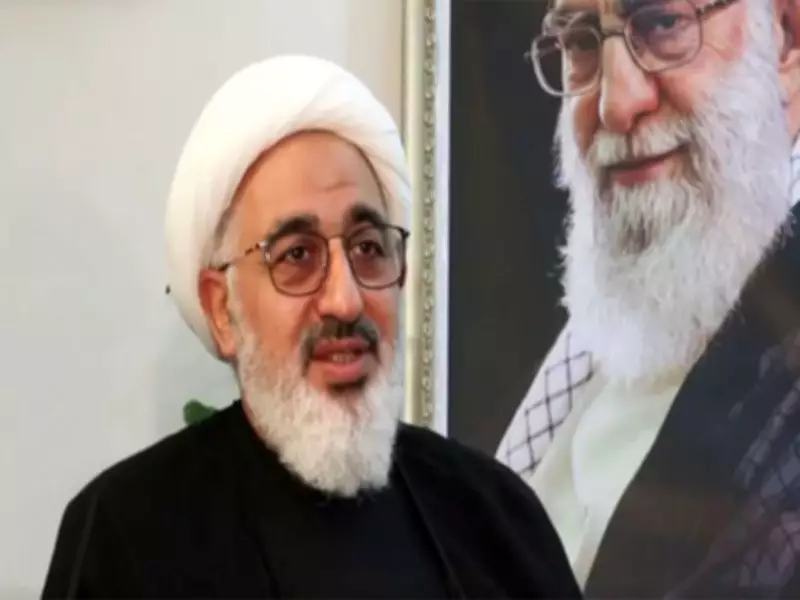
Ayatollah Ali Khamenei's Deep Affection for India Highlighted by Iranian Representative
In an exclusive interview with ANI, Abdul Majid Hakeem Ilahi, the representative in India of Iran's Supreme Leader, emphasized the profound admiration that the late Ayatollah Ali Khamenei held for India. Ilahi underscored how Khamenei consistently advocated for enhanced collaboration between the two nations, rooted in a friendship spanning over five millennia.
Historic and Cultural Bonds Between Iran and India
Ilahi detailed the longstanding connections, noting that Iranians and Indians have been linked through cultural, civilizational, philosophical, and spiritual exchanges for thousands of years. He revealed that Khamenei's first literary work was a two-volume book about India, a testament to his deep-seated love for the country. "This means he loved India," Ilahi stated, adding that Khamenei repeatedly insisted on fostering good collaboration and cooperation between Iran and India.
Furthermore, Ilahi mentioned that Khamenei's son also expressed strong support for India, praising Indians as "very loyal, honest, kind, smart, and good people." The representative affirmed that Iran desires no conflicts or problems in its relationship with India, expressing confidence that the historic friendship will continue uninterrupted.

Iran's Stance on Regional Conflicts and US Relations
During the interview, Ilahi addressed the escalating tensions in West Asia, firmly rejecting claims by US President Donald Trump that Tehran seeks negotiations. He dismissed these assertions, stating that Iran is prepared to continue the conflict "even for five years" if necessary. Ilahi highlighted past experiences where negotiations with the United States were met with attacks, leading Iran to avoid current talks.
Ilahi emphasized Iran's readiness for prolonged conflict, drawing on its eight-year war experience with Iraq. He noted that the Iranian people are united and prepared for retaliation, chanting their willingness to sacrifice blood but not land. Despite this, Ilahi reiterated that Iran has made efforts to avoid war in the region, urging neighboring countries to help prevent further escalation.
Global Concerns and UN Response
The remarks come amid a deteriorating security situation in West Asia and the Gulf, where US-Israeli strikes resulted in the killing of the 86-year-old Supreme Leader Ayatollah Ali Khamenei. The current conflict, which began on February 28, involves fighting between Israel and the United States on one side and Iran on the other.
United Nations Secretary-General Antonio Guterres has expressed serious concern over the crisis, warning that it poses a major threat to global peace and security. Guterres called for an immediate end to hostilities, emphasizing that diplomacy is the only viable path forward to address the immense suffering of civilians.
In summary, Ilahi's interview sheds light on Iran's commitment to its historic ties with India while outlining a firm stance against external pressures in regional conflicts. The ongoing developments in West Asia continue to draw international attention and calls for de-escalation.






