

Bangladesh's Hindu Community Grapples with Fear as Elections Loom
With Bangladesh on the brink of pivotal national elections, the nation's Hindu minority is voicing profound anxiety over their safety and future. In a country where over 90% of the population is Muslim, approximately 1.3 crore Hindus coexist alongside more than 16 crore Muslims. However, the resurgence of political parties like the BNP and Jamaat-e-Islami, known for their questionable track record on minority protection, has intensified these fears.
Personal Stories of Apprehension and Loss
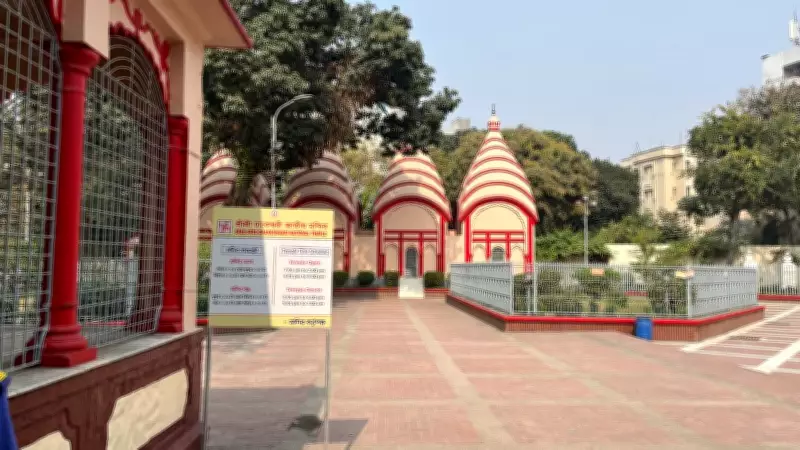
At the historic Dhakeshwari temple in Dhaka, a 36-year-old father, who chose to remain anonymous, brought his three-year-old daughter to pray for their family's security. Reflecting on past turmoil during the BNP-Jamaat coalition rule from 2001 to 2006, he lamented, "My parents were respected teachers, but we witnessed numerous incidents against Hindus back then. We considered leaving but stayed out of love for Bangladesh. Now, thinking of my child's future, I wonder if that was a mistake."
In Mymensingh, about 100 kilometers from Dhaka, 20-year-old Apu Das mourns his brother Dipu Das, who was brutally beaten and burned to death by a mob in December last year over alleged blasphemy. Apu, now the sole breadwinner for his family, including his parents and Dipu's widow and children, clings to hope for justice. "He was a kind-hearted person, and we lost him too soon. I pray he gets the justice he deserves," Apu shared from his workshop.

Community Leaders Highlight Systemic Failures
Basudeb Dhar, a community leader, recently drove over five hours from Dhaka to Kishoreganj upon hearing reports of Hindus being intimidated to deter them from voting. After meeting local authorities and receiving assurances of security, he returned, but the incident underscores the pervasive unease. Manindra Kumar Nath, head of a community group, reported that around 2,700 incidents of targeted violence have allegedly occurred in the past 18 months under the interim government led by Prof Muhammad Yunus.
"Despite promises of inclusivity, the interim government has failed to provide adequate security or take action against perpetrators," Nath stated at the Dhakeshwari temple. "We minorities live in constant fear and tension, facing murders, rapes, and temple attacks. Secularism is at stake here—everyone should have equal rights, but the government denies the real picture, calling these political killings."
Political Promises and Skepticism
As the BNP and Jamaat-e-Islami are projected to emerge as major players in the elections, their manifestos offer pledges of religious harmony and protection. The BNP's document emphasizes "religious freedom" and "security for minorities," while Jamaat-e-Islami vaguely commits to an inclusive political environment. However, minority leaders remain unconvinced. Rana Dasgupta, who has faced death threats and been in hiding for 18 months, criticized, "The BNP and Jamaat-e-Islami have not made clear commitments to protect minorities in their manifestos."
Political representation is another concern, with the BNP nominating only six minority candidates and Jamaat-e-Islami just one out of 300 seats. This lack of representation fuels the perception that the Hindu community's interests are being sidelined.
Government Response and Calls for Justice
In a last-minute move before the elections, the interim government announced the arrest of 12 individuals linked to Dipu Das's killing and pledged investigations. Education Advisor Dr. C R Abrar visited Das's family, promising financial aid, including 25 lakh Taka for housing and cash assistance. "Dipu Das's murder is a brutal crime with no excuse in our society. Justice will be ensured," Abrar asserted, acknowledging the shame such communal violence brings to the nation.
Despite these assurances, many Hindus feel the Yunus government has inadequately addressed violence and justice. At the Dhakeshwari temple, a group of young friends—one Hindu, one Muslim, and a Hindu woman—expressed a simple desire: "We want to live together peacefully, without division. Why is it so hard for politicians to understand this?" Their words echo a broader yearning for unity in a tense political climate.

As Bangladesh votes, the Hindu community's plea for protection and equality remains a critical issue, highlighting the challenges of maintaining secularism and safety in a diverse democracy.





