Bangladeshi authorities have made a critical arrest in a high-profile lynching case while simultaneously suspending visa services at key diplomatic missions in India, actions that underscore growing internal and bilateral tensions.
Imam Arrested for Orchestrating Mob Lynching
In a significant development, Bangladesh police have arrested Yasin Arafat (25), identified as the main accused in the brutal December 18 lynching of Hindu garment factory worker Dipu Chandra Das in Mymensingh. Arafat, who served as an imam at a local mosque, was apprehended from the Sarulia area under Dhaka's Demra police station.
According to police statements made on Wednesday, Arafat did not merely participate but supervised the entire attack. Officials allege he incited the mob and personally led it to the garment factory where Dipu worked. The victim was forcibly resigned, pushed out of his workplace, and then handed over to the mob that beat him to death based on blasphemy allegations.

Dhaka Suspends Visa Services in India Citing Security
In a move that adds strain to the neighbours' relationship, the Muhammad Yunus-led interim government in Bangladesh announced on Thursday that it has asked three of its five diplomatic missions in India to keep their visa sections closed indefinitely. The government cited unspecified "security reasons" for this decision.
While Foreign Affairs Adviser Md Touhid Hossain did not name the specific missions, a diplomatic source confirmed the affected offices are the Bangladesh High Commission in New Delhi, the Deputy High Commission in Kolkata, and the Assistant High Commission in Agartala. Missions in Mumbai and Chennai remain operational for now.
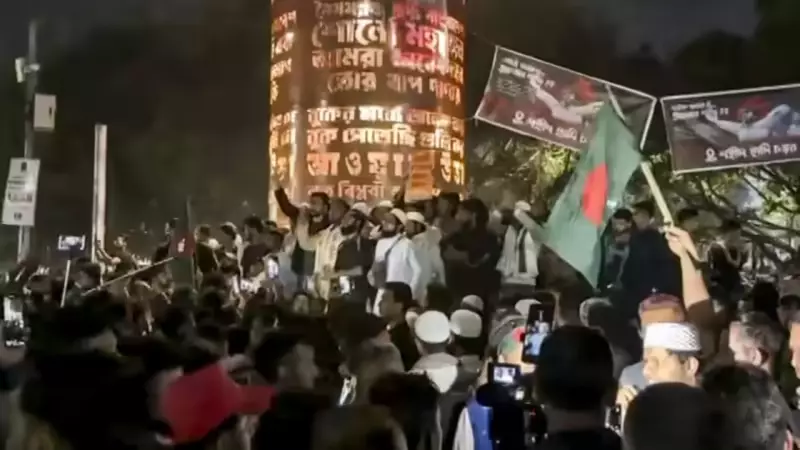
This decision stands in contrast to India's approach. Indian diplomatic facilities in Bangladesh, including its high commission in Dhaka and five assistant high commissions, continue to process visa applications, particularly for those seeking urgent medical treatment. This continuity persists despite massive protests near these establishments following the December 12 shooting of anti-India radical leader Sharif Osman Hadi in Dhaka, who died six days later.
Broader Implications and Regional Dynamics
The twin developments highlight the complex challenges facing Bangladesh. The arrest in the lynching case points to ongoing issues of communal violence and mob justice, while the visa suspension reflects heightened diplomatic sensitivities.
Further complicating the regional picture, Adviser Hossain, when questioned about Bangladesh's potential interest in procuring the JF-17 Thunder fighter aircraft from Pakistan, stated, "I can't talk about this today. Talks are underway. You will know once things are finalised." This statement followed Pakistan's claim on Wednesday that "detailed discussions" on the potential aircraft procurement were held between the two nations in Islamabad.
The closure of visa services in India, a country that remains a primary destination for Bangladeshi citizens seeking medical care, business, and tourism, is likely to cause significant public inconvenience. Analysts view this, coupled with the defence talks with Pakistan, as indicators of the current strain in India-Bangladesh relations, which have been tense following recent events.