Bangladesh's top security official has held crucial discussions with senior United States officials in Washington, focusing on the nation's forthcoming general elections and enhancing bilateral ties. The talks underscore the international community's keen interest in the democratic process in Dhaka.
High-Level Meetings in Washington
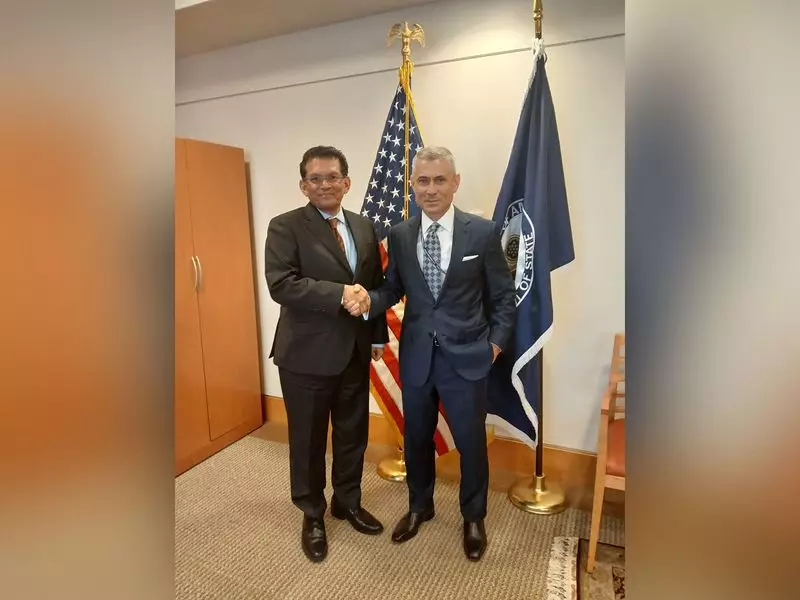
Major General (retired) Tarique Ahmed Siddique, the National Security Adviser (NSA) to Bangladesh Prime Minister Sheikh Hasina, engaged in a series of meetings in the US capital. His itinerary included a significant sit-down with US Deputy National Security Adviser Jonathan Finer. The discussions, described as wide-ranging, centered on the upcoming national polls in Bangladesh and the broader framework of security cooperation between the two nations.
According to official statements, the dialogue between Siddique and Finer was comprehensive. Both sides reviewed the existing robust security partnership and explored avenues to deepen collaboration. A key point of consensus was the shared commitment to a free, fair, and peaceful electoral process in Bangladesh, which is scheduled for early January 2024.

Emphasis on Democratic Elections and Partnership
The engagement highlights the importance the United States places on democratic institutions in South Asia. The US officials reiterated their support for a transparent democratic exercise in Bangladesh. The talks also covered regional security dynamics, reflecting the strategic dimension of the Bangladesh-US relationship.
Beyond the meeting with Finer, NSA Siddique's visit involved interactions with other key figures in the US security and foreign policy establishment. These discussions are part of ongoing high-level exchanges aimed at strengthening the multifaceted relationship. The outcomes are expected to contribute to continued dialogue and cooperation in the lead-up to the elections and beyond.
Implications for Bilateral Relations
This diplomatic outreach is seen as a critical step in aligning perspectives between Dhaka and Washington on a matter of national and regional significance. For Bangladesh, it represents an opportunity to articulate its roadmap for the polls and assure the international community of its democratic credentials. For the United States, it is a channel to directly convey its expectations and support for a credible electoral outcome.
The discussions signal a proactive approach by both governments to manage a politically sensitive period through diplomacy and consultation. The focus on security cooperation alongside electoral integrity suggests a recognition of the interconnected nature of political stability and national security. As the election date approaches, such international engagements will likely continue to play a pivotal role in shaping the external environment for Bangladesh's democratic journey.