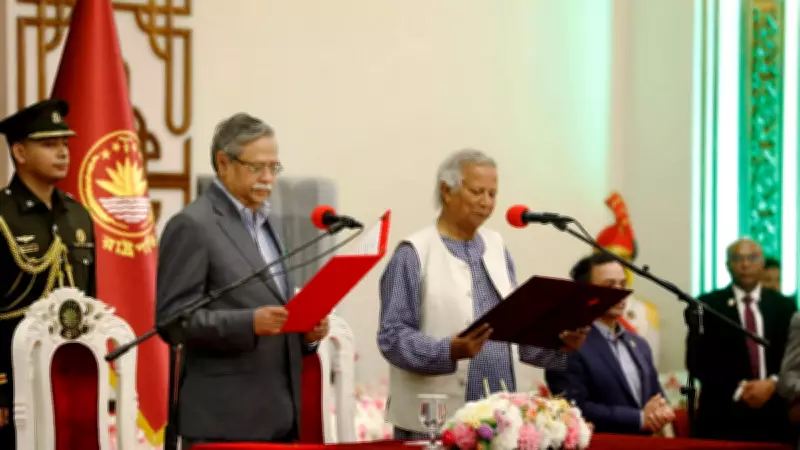
Bangladesh President Mohammed Shahabuddin Alleges Marginalization by Former Chief Advisor Muhammad Yunus
In a significant political development, Bangladesh President Mohammed Shahabuddin has publicly accused his former chief advisor, Nobel laureate Muhammad Yunus, of marginalizing him and keeping him uninformed about critical state affairs. The allegations, which have stirred controversy in Bangladesh's political landscape, suggest a deep-seated rift within the country's leadership structure.
Shahabuddin's Accusations of Being Kept in the Dark
President Shahabuddin, in a recent statement, claimed that during Yunus's tenure as chief advisor, he was systematically excluded from important discussions and decisions. The president alleged that Yunus operated in a manner that left him out of the loop on key governance matters, effectively sidelining him from his constitutional role. This marginalization, according to Shahabuddin, undermined the presidency's authority and disrupted the normal functioning of the government.
The situation reportedly created tensions that impacted policy implementation and inter-governmental relations. Shahabuddin's remarks highlight concerns about transparency and collaboration in Bangladesh's administrative processes, raising questions about how power dynamics played out during Yunus's advisory period.

Background on Muhammad Yunus's Role
Muhammad Yunus, internationally renowned for his work in microfinance and poverty alleviation, served as a chief advisor in Bangladesh's government. His advisory role was seen as influential, given his global stature and expertise in economic development. However, Shahabuddin's allegations suggest that Yunus's approach may have conflicted with traditional governmental protocols, leading to the perceived marginalization of the president.
The former chief advisor's tenure was marked by initiatives aimed at economic reform and social welfare, but Shahabuddin's claims indicate that these efforts might have been accompanied by internal discord. This revelation adds a new layer to the public understanding of Yunus's legacy in Bangladeshi politics, beyond his philanthropic achievements.
Implications for Bangladesh's Political Climate
The allegations by President Shahabuddin could have far-reaching consequences for Bangladesh's political environment. They may:
- Strain relations between current and former government officials
- Prompt discussions on the balance of power between advisory and executive roles
- Affect public perception of governance transparency in Bangladesh
- Influence future appointments and advisory mechanisms in the government
As the news spreads, it is likely to spark debates among political analysts and citizens alike, with many calling for a thorough investigation into the claims. The situation underscores the challenges of maintaining cohesive leadership in complex governmental structures.
Looking Ahead: Potential Repercussions and Responses
In response to Shahabuddin's allegations, there may be calls for Yunus to address the accusations publicly. The former chief advisor has not yet commented on the matter, but his response could shape the narrative moving forward. Additionally, this incident might lead to:
- Increased scrutiny of advisory roles in Bangladesh's political system
- Potential reforms to ensure better communication between government branches
- A reassessment of Yunus's impact on Bangladeshi politics beyond his economic contributions
The controversy serves as a reminder of the delicate interplay between advisory and executive functions in governance, highlighting the need for clear protocols to prevent such conflicts in the future.