

Bangladesh Calls for Reset in India Relations, Says Onus Lies with New Delhi
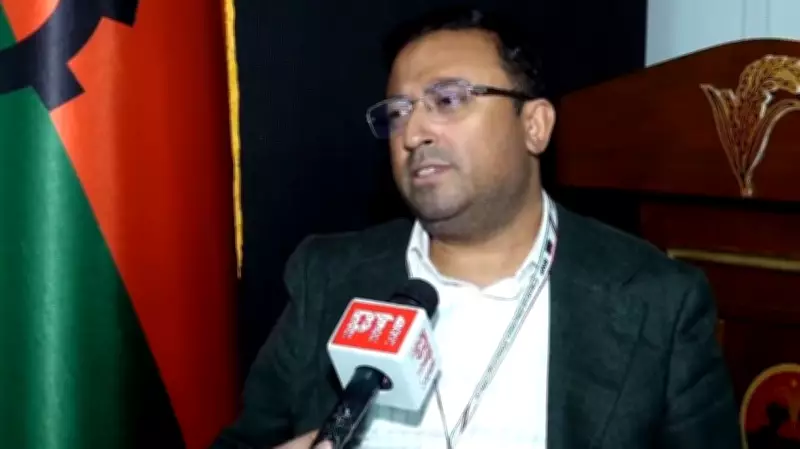
In a significant statement, an adviser to Tarique Rahman, the acting chairman of the Bangladesh Nationalist Party (BNP), has declared that Bangladesh is seeking a reset in its ties with India. The adviser emphasized that the onus is squarely on New Delhi to recognize the changed political reality in Bangladesh.
India Must Shift Mindset, Says BNP Adviser
The adviser, identified as Kabir, asserted that the change must originate from India's mindset. He stated that Sheikh Hasina and the Awami League no longer exist in today's Bangladesh, following what he described as a clear verdict from the people in favor of the BNP. This statement underscores a potential shift in bilateral dynamics, as the BNP positions itself as the representative of the Bangladeshi populace.
Kabir highlighted that the political landscape in Bangladesh has transformed, and India needs to acknowledge this new reality to foster improved relations. The remarks come amid ongoing diplomatic engagements and could influence future policy directions between the two neighboring nations.

Background on India-Bangladesh Relations
India and Bangladesh share a complex history, with ties often influenced by domestic politics in both countries. The Awami League, led by Sheikh Hasina, has traditionally maintained close relations with India, focusing on economic cooperation and security issues. However, the BNP has at times adopted a more critical stance towards New Delhi, advocating for a balanced foreign policy.
The adviser's comments suggest that the BNP is pushing for a recalibration of this relationship, potentially seeking to reduce dependence on India and explore other international partnerships. This could have implications for regional stability and economic collaborations, including trade agreements and infrastructure projects.
Implications for Regional Diplomacy
If the BNP gains influence, it may lead to a reevaluation of existing agreements and initiatives between India and Bangladesh. Key areas that could be affected include:
- Border management and security cooperation
- Water-sharing agreements, such as those related to the Teesta River
- Economic partnerships and investment flows
- Regional connectivity projects under initiatives like BIMSTEC
The statement by Kabir reflects broader trends in South Asian politics, where domestic changes can swiftly alter international alignments. It remains to be seen how India will respond to these calls for a reset, but the adviser's words indicate that Bangladesh is poised for a potential shift in its foreign policy approach.
As both nations navigate this evolving scenario, the focus will be on diplomatic dialogues and mutual understanding to ensure that bilateral ties remain constructive and beneficial for the people of both countries.






