

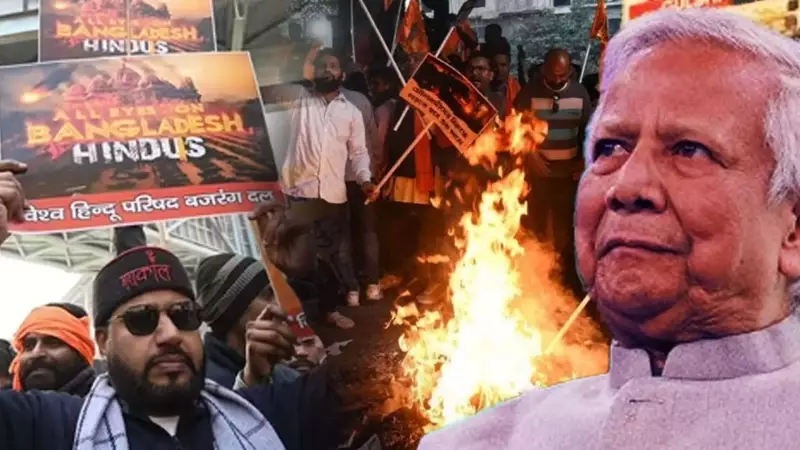
A serious diplomatic rift has emerged between India and Bangladesh, pushing bilateral relations into a tense and fragile phase. The situation escalated on December 23, 2025, when the Bangladeshi government summoned Indian High Commissioner Pranay Verma to express concerns over the security of its diplomatic missions in India.
Visa Freeze Precedes Diplomatic Summons
This high-level diplomatic confrontation follows closely on the heels of a significant administrative action. Just days before the summons, India had suspended visa and consular services for Bangladesh in New Delhi. The freeze, while not explicitly linked by officials, set the stage for the current standoff.
The backdrop to these governmental actions is charged with public emotion and protest. Across India, particularly in Kolkata, widespread demonstrations erupted following the tragic lynching of a Hindu migrant worker, Dipu Chandra Das, in Bangladesh. This incident has reignited deep-seated fears regarding the safety of minority communities and provoked sharp reactions from the Indian political establishment.

Protests, Violence, and Accusations Fuel the Fire
In a tit-for-tat diplomatic move preceding the latest summons, India had called in Bangladesh's envoy to New Delhi. The purpose was to formally protest what India perceives as growing violence and instability affecting its citizens across the border.
Meanwhile, Bangladesh itself is navigating a complex web of internal turmoil. The nation has been rocked by unrest following the killing of student leader Sharif Osman Hadi. The resulting violence has included:
- Nationwide protests by students and opposition groups.
- Arson attacks targeting media offices and homes of political figures.
- An alarming attack on the Indian Assistant High Commission in Chattogram, directly implicating the bilateral relationship in the domestic unrest.
Adding a potent political dimension, former Prime Minister Sheikh Hasina has publicly criticized the current interim administration led by Muhammad Yunus. She has accused the government of failing to maintain law and order, presiding over a systemic collapse that has allowed such violence to flourish.
A Relationship at a Critical Juncture
The current scenario marks one of the most delicate periods in India-Bangladesh relations in recent years. The traditional channels of dialogue have been replaced by reciprocal diplomatic summons, and a key people-to-people conduit—the visa service—remains frozen.
The confluence of a tragic lynching, massive public protests in India, internal political violence in Bangladesh, and direct attacks on diplomatic premises has created a perfect storm. Both nations now face the critical task of de-escalating tensions through diplomatic channels to prevent further damage to a historically significant and strategically vital partnership.






