

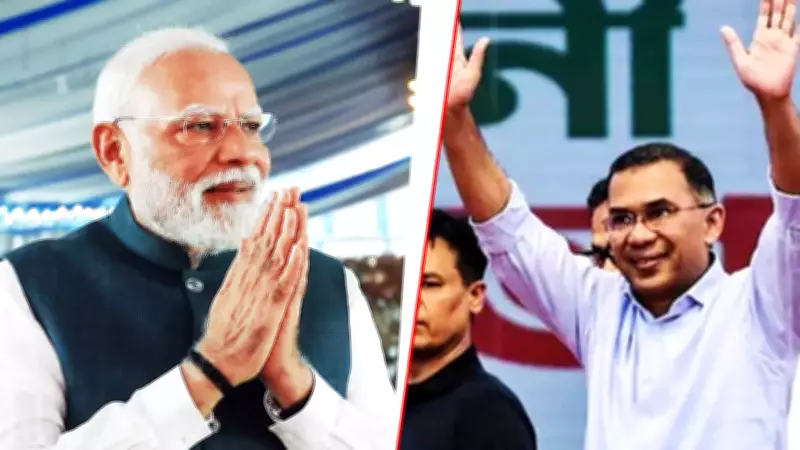
Bangladesh's BNP Extends Formal Invitation to PM Modi for Key Swearing-In Ceremony
The political landscape in South Asia is witnessing a significant diplomatic development as the Bangladesh Nationalist Party (BNP), which is set to form the new government, has officially invited Prime Minister Narendra Modi to attend the upcoming oath-taking ceremony. This invitation marks a crucial moment in bilateral relations between the two neighboring nations.
Tarique Rahman's Outreach to Strengthen India-Bangladesh Ties
The invitation is being widely interpreted as a strategic move by BNP chief Tarique Rahman to rebuild and fortify diplomatic connections with India. As the party prepares to assume office, this gesture underscores the importance of maintaining positive international relationships, particularly with key regional partners.
However, official confirmation from New Delhi regarding receipt of the invitation remains pending. The Indian government has not yet issued any formal statement acknowledging the invitation, and there is currently no clarity about whether Prime Minister Modi will attend the ceremony. This uncertainty adds an element of diplomatic suspense to the situation.

February 17 Swearing-In Ceremony Details
According to Cabinet Secretary Dr. Sheikh Abdur Rashid, the newly elected Members of Parliament will be formally sworn into office on February 17, 2026. This ceremony represents a pivotal moment in Bangladesh's democratic process as power transitions to the newly elected government.
In a broader international context, Chief Adviser of the interim government Professor Muhammad Yunus has extended invitations to leaders from thirteen different countries. This comprehensive list reflects Bangladesh's commitment to maintaining diverse global relationships during this important political transition.
International Delegations Expected at the Ceremony
Media reports indicate that the invitation list includes representatives from several significant nations across multiple regions:
- South Asian neighbors: India, Pakistan, Sri Lanka, Nepal, Bhutan, and the Maldives
- Middle Eastern partners: Saudi Arabia, United Arab Emirates, Qatar, and Turkey
- Asian counterparts: China, Malaysia, and Brunei
This diverse representation highlights Bangladesh's strategic positioning in international diplomacy and its efforts to engage with both regional neighbors and global powers simultaneously.
The invitation to Prime Minister Modi comes at a time when India-Bangladesh relations are of particular importance to regional stability and economic cooperation. The BNP's outreach suggests recognition of India's significant role in South Asian affairs and the potential for enhanced collaboration between the two nations under the new Bangladeshi administration.
As the February 17 ceremony approaches, diplomatic observers will be closely monitoring responses from invited nations, particularly India's official position regarding Prime Minister Modi's potential attendance. The outcome could have meaningful implications for future bilateral relations and regional dynamics in South Asia.






