Canada and China Forge New Path with Historic Trade Agreement
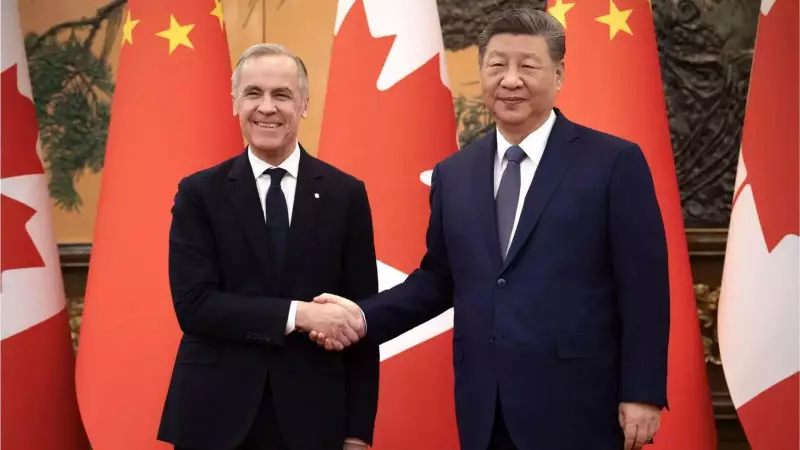
After nearly a decade of diplomatic frost, Canadian Prime Minister Mark Carney has successfully warmed relations with China during his landmark visit to Beijing. Carney, the first Canadian leader to travel to China in almost ten years, secured what he called a "preliminary but landmark" deal. This agreement marks a significant thaw in bilateral ties and reflects Carney's push for a "new world order."
Key Tariff Reductions Signal a Reset
The core of the breakthrough involves substantial tariff cuts on major trade items. China committed to slashing its levy on Canadian canola oil from a steep 85% down to just 15%, effective March 1. In return, Canada agreed to apply the most-favoured-nation tariff rate of 6.1% on Chinese electric vehicles. These moves directly address years of strained relations and retaliatory trade measures.
Chinese leader Xi Jinping publicly welcomed this "turnaround" in the relationship. He emphasized that stable China-Canada relations benefit global peace and prosperity. The deal was finalized on Friday in the Great Hall of the People, symbolizing a fresh start.

Strategic Diversification Away from the US
For Prime Minister Carney, this agreement represents a strategic victory. It advances his goal of diversifying Canadian trade partnerships and reducing the country's heavy reliance on the United States. This shift gains urgency amid the unpredictability of former US President Donald Trump's tariff policies.
Carney noted that Canada's relationship with China has become more "predictable" recently. He described his discussions in Beijing as "realistic and respectful." However, he was clear that Ottawa maintains its "red lines," including firm stances on human rights and concerns over election interference.
"We take the world as it is - not as we wish it to be," Carney stated when questioned about China's human rights record.
Addressing Past Trade Tensions
The recent friction centered on tariffs. In 2024, Canada imposed 100% tariffs on Chinese electric vehicles, mirroring US actions. China retaliated with tariffs exceeding $2 billion on Canadian agricultural products like canola seed and oil. This trade war caused Chinese imports of Canadian goods to drop by 10% in 2025.
The new deal introduces a cap, allowing only 49,000 Chinese electric vehicles into the Canadian market at the reduced 6.1% rate. This measure addresses fears from Canadian automakers about a potential flood of affordable Chinese EVs. The agreement also provides relief by lowering tariffs on other Canadian exports, including lobsters, crabs, and peas.
Broader Implications and Reactions
This pact is expected to pave the way for increased Chinese investment in Canada. It strengthens economic ties with China, Canada's second-largest trading partner, even as the US remains the largest by volume.
Interestingly, Donald Trump responded positively to the news. When asked at the White House, he said Carney was "doing the right thing" by securing a trade deal with China. Ironically, Trump's own tariff policies and political rhetoric, including past threats about Canada, contributed to the domestic climate that helped elevate Carney's political profile and his push for greater trade independence.
Carney, a former central banker known for crisis management rather than political boldness, used this visit to argue that the multilateral global system has been "eroded" or "undercut." His mission in Beijing was not just about trade numbers; it was a deliberate step toward reshaping Canada's place in a changing world order.