

From 2 to 96 Drones: The Bold Challenge That Revolutionized India's Defence Production
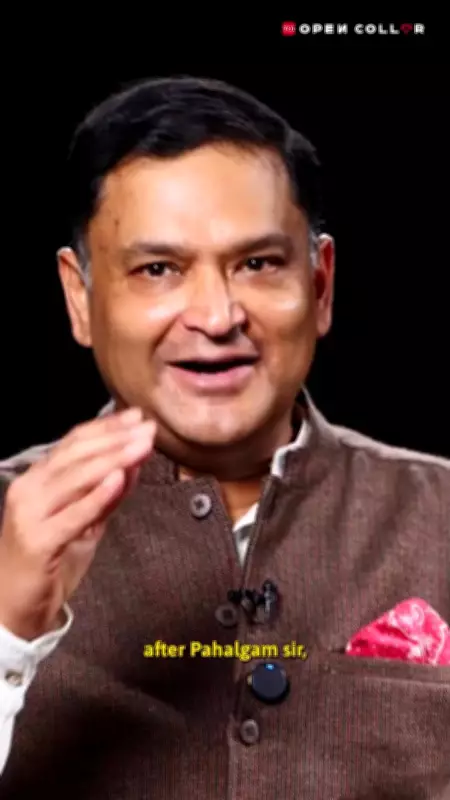
In a compelling revelation on OPEN COLLAR, Air Vice Marshal P.K. Srivastava (Retd.) has shared an extraordinary story that underscores the resilience and innovation within India's defence manufacturing sector. This narrative details how a single, audacious challenge served as a catalyst, propelling the nation's drone production capabilities from a modest beginning to an impressive industrial scale.
The Genesis of a Defence Transformation
The journey began with India's defence production operating at a limited capacity, managing to produce only a handful of drones. This initial phase was characterized by cautious development and testing, focusing on establishing foundational technologies and processes. However, the landscape was about to shift dramatically under the pressure of an urgent demand.
Air Vice Marshal Srivastava explained that a critical challenge emerged, demanding a rapid escalation in output to meet strategic defence needs. This was not merely a request for incremental improvement but a call for a quantum leap in manufacturing efficiency and speed. The defence sector faced immense pressure to deliver, turning what seemed like an insurmountable task into a defining moment for India's self-reliance in defence technology.

Scaling Up Under Pressure
The response to this challenge was nothing short of remarkable. Defence production units mobilized resources, streamlined workflows, and leveraged indigenous expertise to accelerate drone assembly. From producing just two drones, the effort expanded exponentially, culminating in the delivery of 96 drones within a constrained timeframe.
This achievement highlighted several key factors:
- Determination and Teamwork: A collective resolve among engineers, technicians, and strategists to overcome obstacles and meet the target.
- Innovation in Manufacturing: Adoption of advanced techniques and process optimizations to boost production rates without compromising quality.
- Strategic Importance: The drones played a crucial role in enhancing India's defence preparedness, showcasing the sector's ability to support national security objectives.
Air Vice Marshal Srivastava emphasized that this experience was a testament to the 'can-do' attitude prevalent in India's defence circles. It demonstrated how external pressures can ignite internal transformations, leading to sustainable growth in capabilities.
Implications for India's Defence Future
The success story from 2 to 96 drones is more than just a numerical increase; it symbolizes a broader shift in India's defence production paradigm. This episode has set a precedent for future projects, encouraging faster development cycles and greater scalability in manufacturing various defence equipment.
Looking ahead, this transformation is expected to contribute significantly to:
- Enhanced Self-Reliance: Reducing dependency on foreign imports by bolstering domestic production capacities.
- Technological Advancement: Spurring innovation in drone technology and related defence systems.
- Economic Growth: Creating jobs and fostering a robust defence industrial base that can compete globally.
In conclusion, Air Vice Marshal P.K. Srivastava's account on OPEN COLLAR serves as an inspiring reminder of how challenges can be turned into opportunities. The leap from producing a few drones to delivering 96 under pressure marks a pivotal chapter in India's journey towards becoming a formidable force in defence manufacturing, driven by unwavering determination and strategic vision.






