China Calls for Immediate Ceasefire in Strait of Hormuz to Protect Global Trade
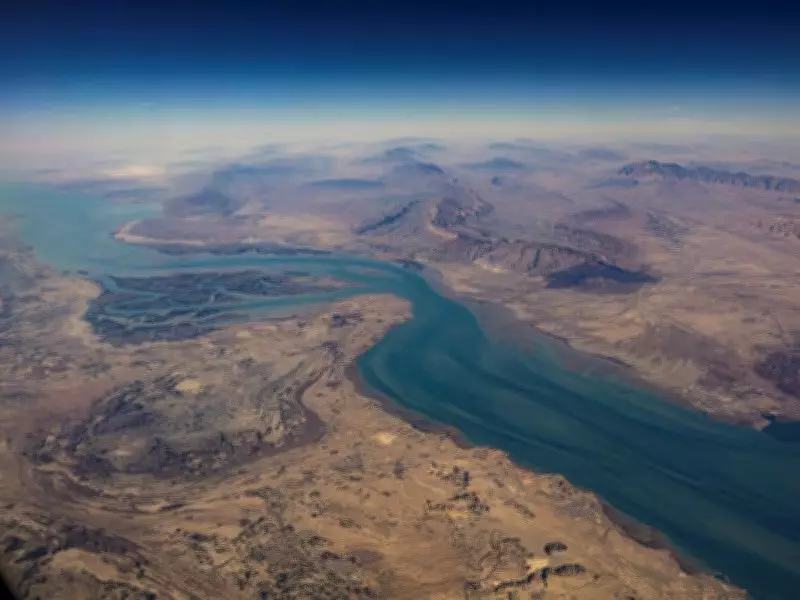
In a significant diplomatic move, China has issued a strong appeal for all parties involved in the Middle East conflict to exercise maximum restraint and halt military operations immediately. The call comes amid escalating tensions in the strategic Strait of Hormuz, a vital maritime chokepoint that is crucial for international goods and energy trade.
Official Statement from Chinese Foreign Ministry
Lin Jian, the spokesperson for China's Ministry of Foreign Affairs, emphasized the urgent need for de-escalation in a post on the social media platform X. He stated that the recent volatile situation in the Strait of Hormuz and its surrounding waters has severely disrupted the flow of international commerce, threatening peace and stability not only in the region but globally.
"China once again calls on parties to immediately stop military operations, avoid further escalation of the tense situation, and prevent regional turmoil from further impacting the global economy," Lin Jian declared. His message underscores China's growing concern over the potential economic fallout from the conflict, which could exacerbate existing trade disruptions and energy supply chain issues.

Humanitarian Aid Announcement
Adding to its diplomatic efforts, China has announced plans to provide urgent humanitarian assistance to several nations affected by the turmoil. Mao Ning, another spokesperson for the Ministry of Foreign Affairs, revealed that aid will be directed to Iran, Jordan, Lebanon, and Iraq. In her X post, she affirmed China's commitment to promoting peace and ceasing hostilities, with the goal of restoring stability in the region and averting further humanitarian crises.
This aid initiative highlights China's proactive role in addressing the humanitarian dimensions of the conflict, positioning itself as a key player in international mediation efforts. The move is seen as part of China's broader strategy to exert influence in the Middle East while balancing its economic interests.
Clarification on U.S. President's Visit
Amid the geopolitical churn, China has also addressed speculation regarding an upcoming visit by U.S. President Donald Trump. The Ministry of Foreign Affairs Spokesperson's Office clarified that Trump's planned trip to China is unrelated to the Strait of Hormuz closure. In a separate X post, the office noted that the U.S. side has dismissed certain media reports as "false" and confirmed that both nations are still in discussions to finalize the dates for the visit.
This clarification aims to dispel rumors and maintain a semblance of diplomatic normalcy between the two global powers, even as tensions simmer in the Middle East. It reflects China's efforts to manage its complex relationship with the United States while navigating regional conflicts.
Global Implications and Economic Concerns
The Strait of Hormuz is a critical artery for global oil shipments, with approximately one-fifth of the world's petroleum passing through its waters. Any prolonged disruption could lead to significant spikes in energy prices and further strain the already fragile global economy. China's call for restraint is driven by its own economic interests, as the country is a major importer of oil and goods through this route.
As the world grapples with shifting power dynamics, the Middle East remains a focal point of international attention. China's dual approach—combining diplomatic appeals with humanitarian aid—demonstrates its evolving role as a mediator and stakeholder in global affairs. The situation continues to develop, with all eyes on how regional and international actors will respond to these calls for peace.