

No Other Choice: A Dark Dive into Corporate Rat Race Murders
Director Park Chan-wook masterfully blends malice with corporate mundaneness to deliver a chilling tale that transforms the daily grind into a story of 9-to-5 murder. In his latest film, 'No Other Choice,' Chan-wook explores the systemic dehumanization of workers in the corporate world, where rage simmers just beneath the surface of routine.
Plot and Themes: From Office Politics to Deadly Competition
The film opens with Man-Su Yoo, portrayed by Lee Byung-hun, desperately trying to maintain relevance in a paper manufacturing firm that is rapidly replacing human labor with machines. His efforts to stand up for his subordinates against American bosses lead to his dismissal, putting his luxurious Korean-French style home and family comforts at risk. This triggers a dark transformation as Man-Su sets out to eliminate his competition for a new position, turning corporate rivalry into a literal fight for survival.
Chan-wook uses this premise to critique the rat race mentality, where the pursuit of success often comes at a moral cost. The film's structure mirrors the chaotic first day at a new job—messy and improvised, yet effective enough to get by. The first murder unfolds with a darkly comedic tone, as Man-Su fumbles through the act, highlighting the absurdity of violence in a mundane setting.

Character Development and Performances
Lee Byung-hun delivers a chameleonic performance that grounds the film's bewildering arc. He seamlessly transitions from a doting father to a jealous husband and a deer in the headlights during murder scenes, all with ineffable ease. His portrayal of Man-Su's descent into obsession is both compelling and unsettling.
Son Ye-jin shines as the family's secret keeper, providing a perfect foil to Byung-hun's character. Their video call scenes are among the film's sharpest moments, adding emotional depth to the narrative. The unconventional family dynamic—featuring an intelligent wife, a stepson, and an autistic cello-playing daughter—serves as a poignant backdrop, questioning the value of middle-class dreams and familial bonds in the face of corporate greed.
Visual and Symbolic Elements
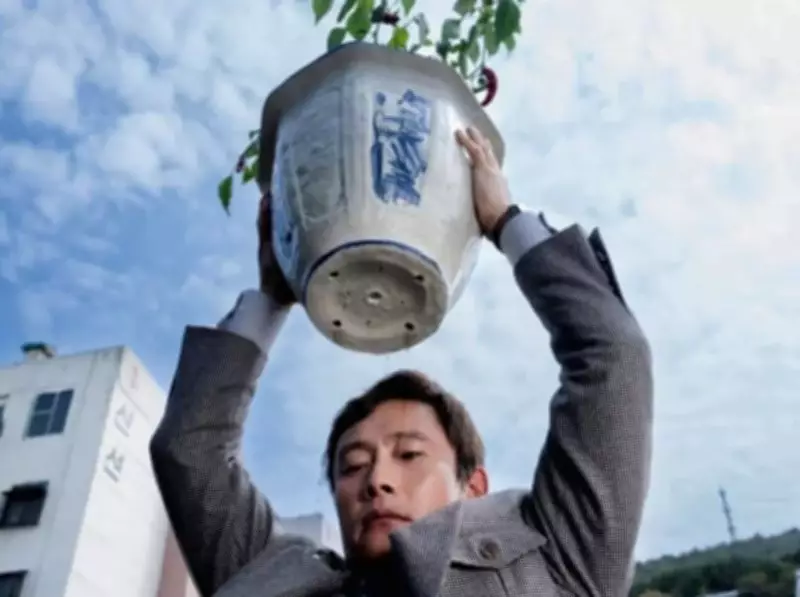
Ryu Seong-hei's production design enhances the film's themes, with the French home symbolizing the Korean equivalent of the American dream. Man-Su's greenhouse, where he tends to bonsai plants, becomes a powerful metaphor for his inner turmoil. Initially glittering under the sun, it transforms into a wild, untamed space at night, mirroring his primal instincts as he succumbs to violence.
Despite its 2-hour-20-minute runtime, 'No Other Choice' maintains momentum through dynamic drone sequences, stairway takes, and ingenious binocular-inspired iris shots. While a few subplots feel unnecessary, they do not detract from the overall impact.
Conclusion: A Powerful Reminder of Corporate Realities
'No Other Choice' serves as a stark reminder of the dehumanizing nature of the corporate rat race. Chan-wook enlivens everyday struggles with an irresistible dose of malice, yet warns viewers that winning such a race often means losing one's humanity. As the film poignantly notes, the biggest problem with a rat race is that even if you win, you're still a rat.
This thriller is a must-watch for fans of Park Chan-wook's unique style and those interested in critiques of modern work culture. Available on Mubi, it offers a gripping blend of suspense, social commentary, and stellar performances.

