

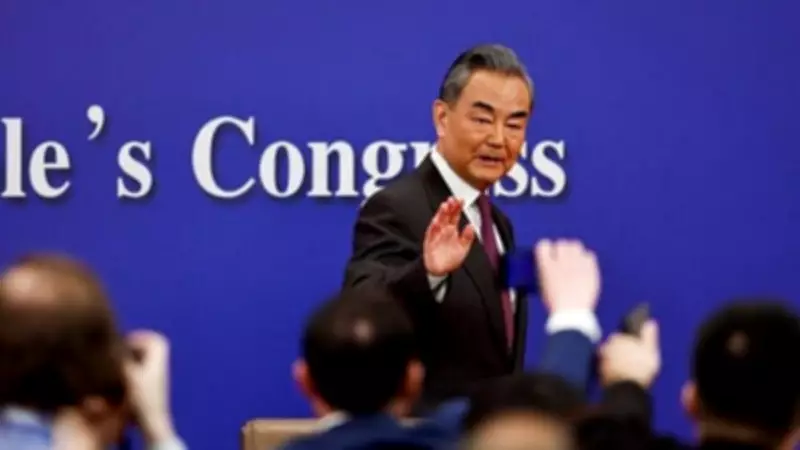
China Proposes Joint Effort with Russia to Calm West Asian Region
In a significant diplomatic statement, Chinese Foreign Minister Wang Yi has announced that China is ready to cooperate with Russia to alleviate the escalating tensions in West Asia. This declaration underscores Beijing's commitment to fostering stability in a region plagued by conflict and geopolitical rivalries.
Focus on Strait of Hormuz and Ceasefire Imperative
Wang Yi specifically addressed the critical navigation issues in the Strait of Hormuz, a vital maritime chokepoint for global oil shipments. He emphasized that the fundamental way to resolve these challenges is to achieve a ceasefire as soon as possible. The foreign minister highlighted that prolonged military engagements and disruptions in the strait pose severe risks to international trade and regional security.
China's longstanding advocacy for political settlements through dialogue and negotiation was reiterated by Wang. He noted that Beijing has consistently promoted peaceful resolutions to hotspot issues, opposing unilateral actions and external interventions that could exacerbate conflicts. This approach aligns with China's broader foreign policy principles of non-interference and multilateral cooperation.

Broader Implications for International Relations
The offer of cooperation with Russia signals a potential shift in diplomatic dynamics, as both nations seek to play a more active role in mediating West Asian disputes. This move could influence United Nations discussions and other international forums, where China and Russia often coordinate on security matters.
Analysts suggest that this collaboration might aim to counter Western influence in the region, while also addressing shared concerns over energy security and regional instability. The Strait of Hormuz, in particular, is a focal point due to its strategic importance for oil exports from Middle Eastern countries.Wang's comments come amid ongoing conflicts and tensions in West Asia, including those involving various state and non-state actors. By calling for an immediate ceasefire, China positions itself as a proponent of de-escalation, potentially paving the way for renewed peace talks and diplomatic initiatives.
This development is likely to be closely monitored by global powers, as it could impact future geopolitical alignments and conflict resolution efforts in one of the world's most volatile regions.






