

China Joins Russia in Condemning Trump's Iran Naval Blockade
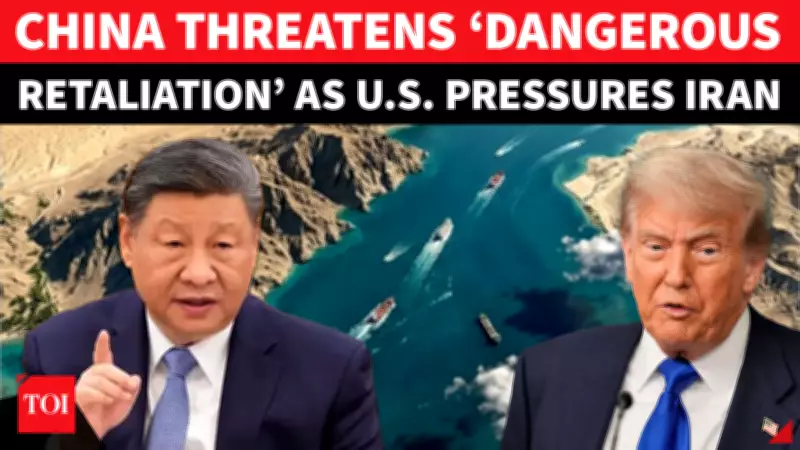
In a significant diplomatic move, China has publicly condemned former US President Donald Trump's decision to impose a naval blockade on Iranian ports, labeling the action as "dangerous, irresponsible behaviour." This strong statement from the Chinese foreign ministry comes amid escalating tensions in the Gulf region, following the collapse of peace talks between Washington and Tehran over the weekend.
Trump's Threat to Sink Ships in the Gulf
The controversy stems from Trump's recent threat to sink any ships entering or leaving Iranian ports and coastal areas in the Gulf. This aggressive stance is part of a broader strategy to pressure Iran, which has continued to export millions of barrels of oil, primarily to Asian markets, since the onset of the conflict. The blockade aims to disrupt these oil flows and force Iran into compliance with US demands.
China's criticism aligns with a broader show of unity with Russia, as both nations have expressed solidarity with Iran in the face of US actions. This partnership highlights the growing geopolitical rift between Western powers and the Sino-Russian alliance, with the Gulf becoming a focal point for international tensions.

Background of Failed Peace Talks
The recent breakdown in peace talks between the US and Iran has exacerbated the situation. Negotiations, which were held in an effort to de-escalate the conflict, failed to yield any agreements, leading Trump to adopt a more confrontational approach. In response, Iran has maintained its oil exports, relying on Asian buyers to sustain its economy despite the ongoing hostilities.
China's involvement adds a new dimension to the crisis, as it is a major importer of Iranian oil. The Chinese statement not only criticizes the blockade but also implicitly supports Iran's right to trade, reflecting Beijing's economic interests in the region. This move is seen as a challenge to US dominance in Gulf affairs and a reinforcement of China's growing influence on the global stage.
Implications for Regional Stability
The unity between China and Russia over Iran signals a potential shift in international alliances, with both powers positioning themselves as counterweights to US policies. This development could lead to:
- Increased diplomatic friction between major world powers.
- Risks of further escalation in the Gulf, affecting global oil supplies.
- Strengthened ties between Iran and its Asian partners, particularly China.
As the situation unfolds, the international community is closely monitoring the responses from other nations, with concerns rising about the potential for broader conflict. China's stance, coupled with Russian support, underscores the complex dynamics at play in this high-stakes geopolitical showdown.






