

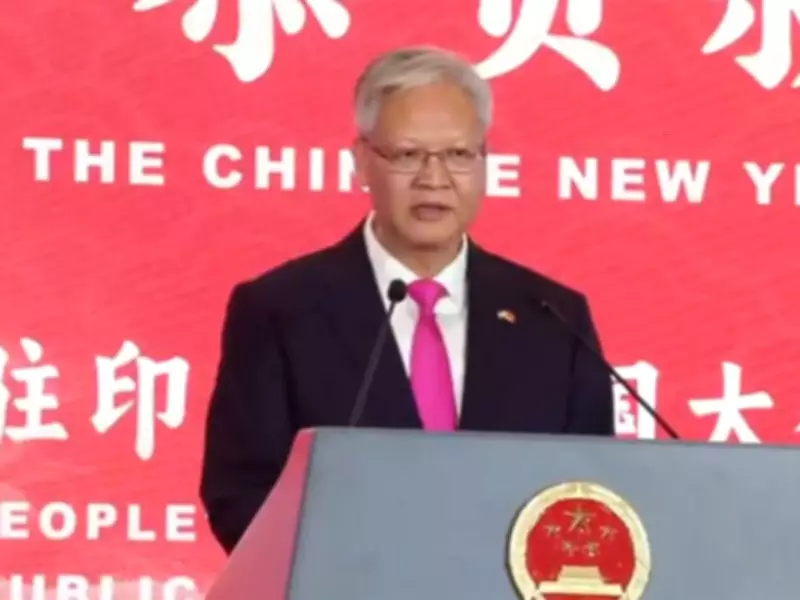
In a significant diplomatic statement, a Chinese envoy has drawn parallels between China's vision of a world of great harmony and India's pursuit of the ancient philosophy of Vasudhaiva Kutumbakam, which translates to 'the world is one family.' This comparison underscores the shared cultural and philosophical values between the two Asian giants, potentially fostering greater understanding and cooperation in international relations.
Echoes of Ancient Wisdom in Modern Diplomacy
The envoy's remarks highlight how both nations, with their rich historical heritages, advocate for global unity and peace through their respective concepts. China's vision of great harmony, rooted in Confucian ideals, emphasizes social stability, moral governance, and a harmonious world order. Similarly, India's Vasudhaiva Kutumbakam, derived from ancient Sanskrit texts, promotes the idea of universal brotherhood and interconnectedness among all beings.
Bridging Cultural Divides for Global Cooperation
By invoking these philosophies, the Chinese envoy aims to bridge cultural divides and emphasize common ground in addressing global challenges such as climate change, economic disparities, and geopolitical tensions. This alignment of values could pave the way for enhanced bilateral ties and collaborative efforts in multilateral forums like the United Nations and BRICS.

The envoy stressed that both concepts advocate for a world where nations coexist peacefully, respect diversity, and work towards mutual prosperity. This perspective is particularly relevant in today's fragmented international landscape, where conflicts and competition often overshadow cooperation.
Implications for India-China Relations
Despite historical border disputes and occasional tensions, this philosophical convergence offers a foundation for dialogue and trust-building. It reflects a diplomatic effort to move beyond contentious issues and focus on shared humanitarian and ethical principles. Analysts suggest that such cultural diplomacy could soften perceptions and encourage people-to-people exchanges between the two countries.
Moreover, the envoy's statement aligns with broader trends in global diplomacy, where nations increasingly leverage soft power and cultural narratives to shape international discourse. For India and China, as rising powers, emphasizing these ancient wisdoms can enhance their global leadership roles and influence in shaping a more inclusive world order.
Looking Ahead: A Path to Harmonious Coexistence
As both nations navigate complex geopolitical dynamics, the emphasis on great harmony and Vasudhaiva Kutumbakam serves as a reminder of their potential to contribute positively to global governance. This could involve joint initiatives in areas like sustainable development, digital cooperation, and cultural exchanges, reinforcing their commitment to a peaceful and prosperous world.
In conclusion, the Chinese envoy's comparison not only celebrates the philosophical richness of both civilizations but also signals a desire for deeper engagement based on mutual respect and shared values. It invites reflection on how ancient ideals can inform modern diplomacy and foster a more harmonious international community.






