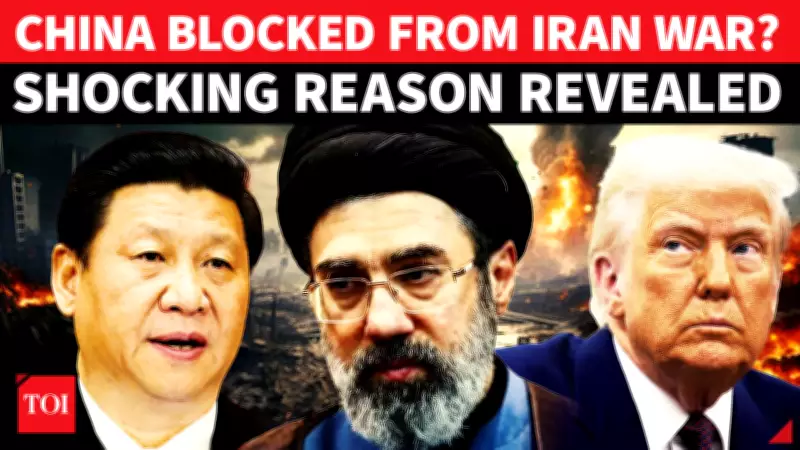
China's Diplomatic Push in Iran Conflict Hits Major Roadblock
Beijing's ambitious attempt to mediate the escalating conflict between Iran and the United States has been firmly rejected by Tehran, according to an exclusive report from The Epoch Times. This development represents a significant strategic setback for China, which had positioned itself as a key diplomatic player in the volatile Middle East region.
Iran Prioritizes Military Support Over Chinese Diplomacy
Sources cited in the report reveal that Iran is now emphasizing direct military assistance and strategic partnerships over diplomatic solutions brokered by external powers. This shift in Tehran's approach has left China in a particularly challenging position, undermining Beijing's carefully cultivated relationship with the Iranian government.
China had hoped to leverage its substantial economic and political ties with Iran to establish itself as a crucial mediator in the conflict. The diplomatic initiative was part of a broader strategy to expand Chinese influence across the Global South, including nations in Africa, Latin America, and various Asian regions.

Strait of Hormuz Tensions Intensify Global Shipping Disruptions
Meanwhile, security concerns around the critical Strait of Hormuz have reached new heights, creating substantial disruptions to global shipping lanes and international trade routes. The strategic waterway, through which approximately one-fifth of the world's oil passes, has become increasingly volatile as regional tensions escalate.
These shipping disruptions are having a direct impact on China's export-oriented economy, with supply chain interruptions affecting numerous industries. The situation presents additional complications for Beijing's foreign policy objectives in the region, as China seeks to balance its economic interests with its diplomatic ambitions.
Broader Implications for China's Global Strategy
The rejection of China's mediation efforts by Iran highlights several important developments:
- Iran's apparent preference for military solutions over diplomatic negotiations
- China's limited influence in resolving complex international conflicts despite its economic power
- The challenges Beijing faces in expanding its political reach in strategically important regions
- Potential ripple effects on China's relationships with other Global South nations
This diplomatic setback comes at a time when China has been actively positioning itself as an alternative global power to traditional Western leadership. The failure to secure a mediating role in the Iran-US conflict represents a notable obstacle to Beijing's aspirations for greater international diplomatic influence.
As regional tensions continue to escalate, with multiple flashpoints emerging across the Middle East, China's ability to navigate these complex geopolitical waters will be closely watched by international observers and regional powers alike.