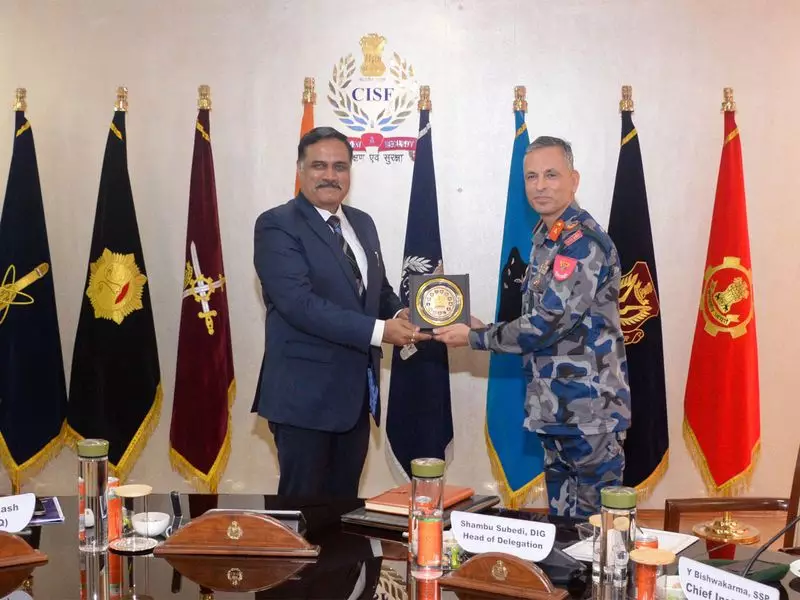
The Central Industrial Security Force (CISF), a premier central armed police force of India, has successfully concluded a specialised study programme for a delegation of senior officers from the Nepal Armed Police Force (APF). This initiative underscores the growing cooperation between the security forces of the two neighbouring nations.
Fostering Cross-Border Security Expertise
The 15-day programme, which commenced on March 18, 2024, was meticulously designed to provide the visiting officers with an in-depth understanding of the CISF's operational methodologies and best practices. A delegation of five senior officers from the Nepal APF participated in this knowledge-sharing exercise. The programme's curriculum was comprehensive, covering critical areas of modern security and force management.
Key focus areas included advanced industrial security protocols, sophisticated fire fighting techniques, and effective disaster management strategies. The visiting officers also gained insights into the CISF's training modules, administration, and the use of modern technology in safeguarding vital infrastructure. This exchange is pivotal in building capacities and fostering mutual learning between the two forces.

Detailed Agenda and Knowledge Sharing
Throughout the fortnight, the Nepalese officers were exposed to both theoretical knowledge and practical demonstrations. The CISF, known for its role in protecting critical industrial installations, airports, and metro networks across India, shared its extensive experience in managing diverse security challenges.
The programme included visits to various CISF facilities and protected sites, allowing for a first-hand observation of security systems in action. Discussions and sessions were led by seasoned CISF officials and experts in their respective fields. This hands-on approach ensured that the delegation could relate the learnings directly to their context within the Nepal Armed Police Force.
Strengthening Bilateral Ties and Future Collaboration
The conclusion of the study programme marks a significant step in enhancing the professional bond between India and Nepal in the realm of security. Such initiatives are instrumental in promoting regional stability and preparedness. The shared experiences and operational knowledge are expected to benefit the Nepal APF in enhancing its own security frameworks, particularly for industrial and vital installation protection.
This cooperative effort aligns with the broader diplomatic and people-to-people ties between India and Nepal. It sets a positive precedent for future joint training programmes, workshops, and exchanges, paving the way for deeper collaboration between the security forces of both countries. The success of this programme highlights the CISF's role not just as a security provider, but also as a institution contributing to international security cooperation.