‘I’m Also An Overseas Indian’: Antonio Costa’s Heartwarming Moment at India-EU Summit
What started as a formal diplomatic gathering to announce the landmark India-European Union Free Trade Agreement took an unexpectedly personal turn, creating a memorable highlight that resonated with warmth and shared heritage. The summit, held in New Delhi, saw European Council President António Costa reveal his deep-rooted connection to India, sparking laughter and appreciation from Prime Minister Narendra Modi and other attendees.
A Surprise Declaration of Indian Roots
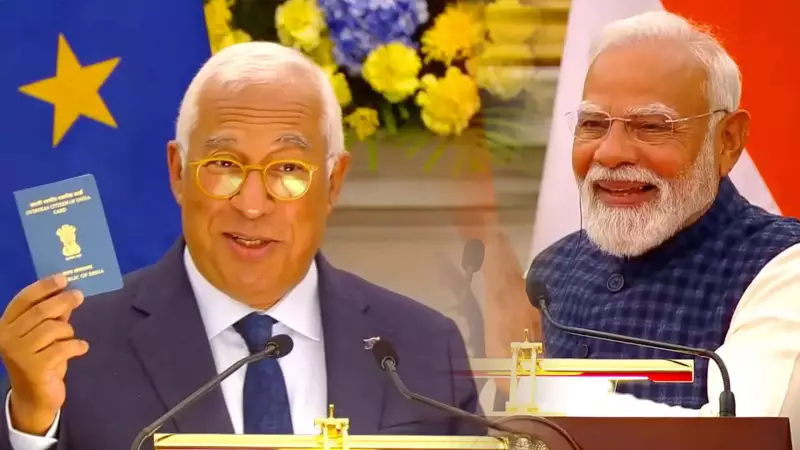
In a move that broke the ice at the high-stakes event, António Costa proudly displayed his Overseas Citizen of India (OCI) card during his address. He emphasized that his ties to India, particularly to the coastal state of Goa, imbued the free trade agreement with special personal significance. This candid revelation transformed the atmosphere, shifting from purely strategic discussions to a moment of genuine human connection.
The spontaneous reaction from Prime Minister Modi, who joined in the laughter, underscored the camaraderie between the two leaders. It served as a reminder that behind the complex negotiations and geopolitical maneuvering, personal relationships and shared histories can play a pivotal role in international diplomacy.

Strategic Significance of the India-EU FTA
Beyond the personal anecdotes, the summit marked a critical milestone in India’s economic and foreign policy. António Costa articulated that the newly signed Free Trade Agreement stands as a testament to the reliable partnership between India and the European Union in an era of global realignment. He highlighted the mutual trust and strategic alignment necessary to forge such a comprehensive deal.
Prime Minister Narendra Modi elaborated on the practical benefits, noting that this agreement is India’s largest ever in scope and scale. He projected significant advantages for key sectors of the Indian economy, including:
- Farmers, who stand to gain from enhanced market access and export opportunities.
- Micro, Small, and Medium Enterprises (MSMEs), which will benefit from reduced tariffs and streamlined trade processes.
- Service providers, who can look forward to expanded opportunities in the European market.
Broad-Based Agreements Beyond Trade
The summit was not limited to economic matters. In a clear signal of a deepening strategic reset, India and the European Union inked multiple ancillary agreements covering a wide array of collaborative domains. These included:
- Security cooperation, aimed at enhancing joint efforts in counter-terrorism and maritime safety.
- Mobility partnerships, facilitating easier movement of students, professionals, and researchers.
- Green energy initiatives, focusing on renewable technology and climate change mitigation.
- Governance and digital partnerships, to foster transparency and innovation in public administration.
This multifaceted approach underscores a holistic vision for the India-EU relationship, moving beyond mere trade statistics to build a resilient, future-oriented alliance. The personal moment shared by António Costa, therefore, symbolized the deeper cultural and historical threads that can strengthen such formal ties, making the summit a blend of strategic foresight and human warmth.