In a sharp diplomatic rebuke, a senior Cuban envoy has labeled recent United States actions targeting Venezuela as a 'terrorist act'. The envoy simultaneously emphasized that India's role is vital for maintaining global balance. The comments come amid heightened international tensions following US moves against the Venezuelan government of President Nicolas Maduro.
Condemnation of US Strikes and Support for Maduro
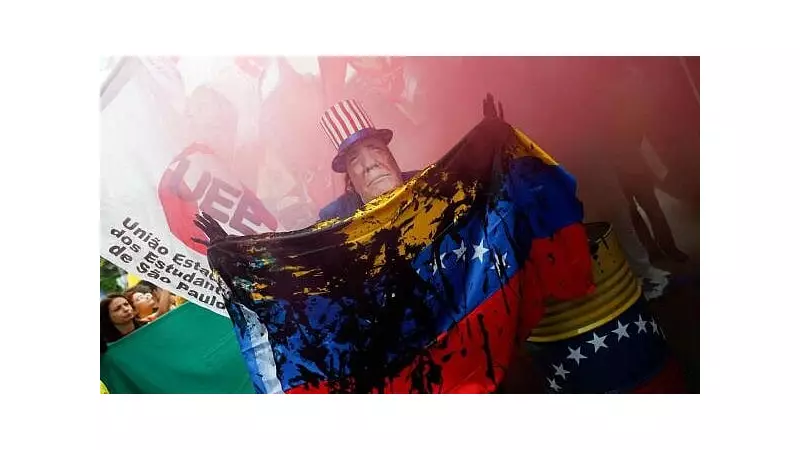
The envoy's strong remarks were made against the backdrop of visible public dissent in the region. On January 5, 2026, protesters in Sao Paulo, Brazil, took to the streets demonstrating against the US strikes on Venezuela. The protests featured a man wearing a mask depicting then-US President Donald Trump, symbolizing opposition to American foreign policy. The Cuban diplomat's characterization of the US operation as a 'terrorist act' aligns with the stance of several nations critical of Washington's interventionist policies in Latin America.
India's Pivotal Position in World Affairs
Beyond the condemnation, the Cuban official pivoted to the broader geopolitical landscape, highlighting India's ascending influence. The envoy stated that India is indispensable for ensuring global equilibrium. This perspective acknowledges India's strategic autonomy, growing economic clout, and its diplomatic heft as a voice for the Global South. In a world often divided between traditional power blocs, India's independent foreign policy and commitment to multilateralism are seen as crucial stabilizing forces.
Implications and the Road Ahead
This incident underscores the continuing volatility in international relations. The sharp rhetoric from the Cuban envoy reflects deep-seated frustrations over external interventions. Meanwhile, the explicit endorsement of India's role signals a recognition of the shifting world order where traditional alliances are being re-evaluated. As nations navigate these complex dynamics, the call for a balanced global approach, with countries like India playing a central part, is likely to grow louder. The events of early January 2026 serve as a reminder of the delicate interplay between regional conflicts and the overarching need for stable international governance.