Following the dramatic ousting of Venezuelan leader Nicolas Maduro by the United States, a palpable wave of anxiety has swept through Cuba. The Caribbean nation is in mourning and on high alert after 31 members of its security services were killed in the American-led operation, sparking fears that it could be next.
A Nation Mourns and Fears the Future
The deadly incident, which resulted in the deaths of colonels, lieutenants, majors, captains, and reserve soldiers, has left the Cuban public nervous and scared. In cities like Las Tunas, Matanzas, and the capital Havana, residents report a heightened presence of police and military, contributing to a tense atmosphere. The whispers on the street, as reported by Bloomberg, revolve around one central worry: could a similar fate befall Cuba?
"People are scared and nervous, but hopeful," said Taimir García from Las Tunas. "There’s people who are wondering if Cuba will be free, too." This sentiment echoes recent comments from US President Donald Trump, who stated that Cuba "looks ready to fall." He argued that the island nation, now cut off from Venezuelan oil subsidies, has lost its primary income source. Senator Marco Rubio added to the rhetoric, suggesting that officials in Havana should be "concerned at least a little bit."

The Vital Venezuelan Lifeline Now in Jeopardy
The root of Cuba's vulnerability lies in its decades-long, symbiotic relationship with Venezuela. For years, Havana has provided bodyguards, operatives, and intelligence analysts to protect the Venezuelan president, effectively acting as a parallel secret service. In return, Caracas supplied Cuba with heavily discounted fuel, which fulfills about a third of the island's energy needs and is critical for electricity generation.
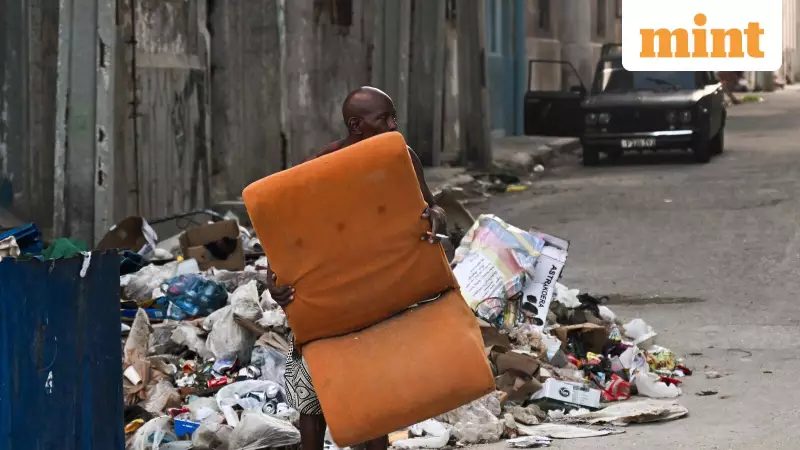
With the pro-Maduro government removed from power in Venezuela, the United States is now poised to sever this vital energy and financial link. This action threatens to plunge Cuba into even more dire economic conditions. Locals already endure a daily struggle with hours-long blackouts and the exhausting search for affordable food.
The Human Cost of Geopolitical Shifts
The potential cutoff of Venezuelan oil poses an immediate threat to the Cuban people. "We’re already living in the dark, but what little electricity we have comes from Venezuela," said Emilio, a Havana resident who requested anonymity for fear of reprisal against imprisoned family members. He captured the prevailing dread, stating, "It’s us, the people, who are going to have to pay the bill."
The current crisis is a direct continuation of the long-strained US-Cuba relationship, which deteriorated after Fidel Castro overthrew the US-backed Batista government in 1959 and aligned with the Soviet Union. Today, the fallout from Caracas has brought that historic tension to a new, precarious head, leaving the island nation bracing for what comes next.