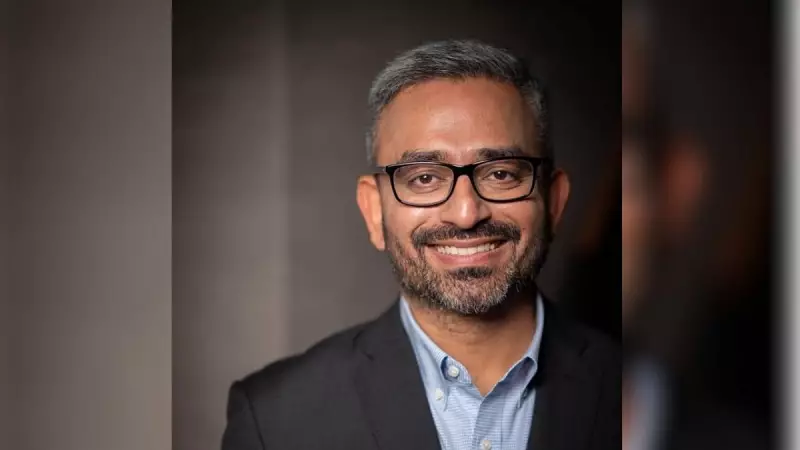
Cultural empathy must become a central part of road safety laws around the world. This is the strong message from Piyush Tewari, the CEO of the SaveLIFE Foundation. He spoke about the critical need to tailor regulations to local contexts.
Why Western Models Often Fail
Piyush Tewari pointed out a common problem. Many countries have good samaritan laws similar to those in the Western world. However, these laws do not always work effectively in other regions. The reason is a lack of cultural understanding and empathy.
"Cultural empathy is a key component," Tewari stated. He explained that regulations succeed or fail based on whether they resonate with local values and behaviors. Simply copying laws from the West is not enough.

A 'Make in India' Model for the Global South
Tewari sees a huge opportunity here. He believes India can lead by example. The country's own experiences with road safety could form a new model. This model would be designed specifically for nations in the Global South.
This approach aligns with the broader 'Make in India' initiative. Instead of importing solutions, countries could develop and share homegrown strategies. These strategies would be built on shared cultural and social realities.
The Path Forward for Safer Roads
The call for culturally empathetic laws is urgent. Road traffic injuries remain a leading cause of death globally. Effective legislation requires more than just rules on paper.
- Laws must consider local driving habits and community norms.
- Public trust in legal systems is crucial for enforcement.
- Education campaigns need to speak the cultural language of the people.
Piyush Tewari's insights highlight a shift in thinking. Road safety is not just an engineering or legal challenge. It is deeply human. Solutions must connect with the hearts and minds of the people they aim to protect.
The SaveLIFE Foundation continues to advocate for these principles. Their work underscores the importance of context in saving lives on the road.