

World's Longest Immersed Tunnel to Revolutionize Denmark-Germany Travel by 2029
For millions of commuters and travelers who regularly navigate the ferry route between Rødbyhavn in Denmark and Puttgarden in Germany, a transformative solution is on the horizon. After over a decade of meticulous planning, the ambitious Fehmarnbelt Tunnel project is set to become a reality in 2029, dramatically reducing the current 45-minute ferry crossing to a mere 7-minute train journey.
A Deep-Sea Engineering Marvel
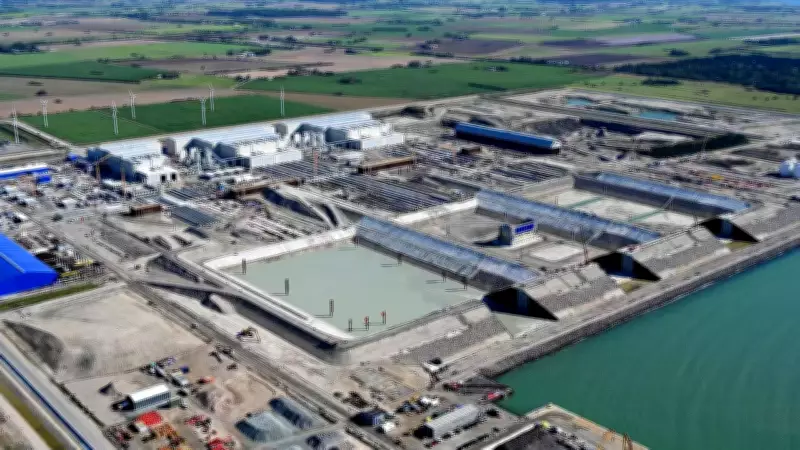
Construction of the Fehmarnbelt Tunnel, which began in 2020, represents one of Europe's most significant and high-budget infrastructure endeavors. With a staggering construction budget exceeding 7 billion euros (approximately $7.4 billion), this 18-kilometer tunnel will be the world's longest immersed tunnel, resting 40 meters beneath the Baltic Sea in a specially carved trench.
According to technical specifications released by project engineers at Femern A/S, the state-owned Danish company managing the project, the tunnel will enable trains to traverse the sea in just 7 minutes, while cars will complete the journey in 10 minutes. This stands in stark contrast to current travel times, where a train trip from Copenhagen to Hamburg takes approximately four and a half hours.

Innovative Construction Approach
The project employs a unique engineering approach rather than traditional bored tunneling methods, which are better suited for deep rock formations. The Danish and German seabed consists of soft ground, necessitating an alternative solution.
The tunnel is being assembled piece-by-piece using 79 massive standard concrete elements, each measuring an impressive 217 meters in length and weighing approximately 73,000 tonnes. This innovative construction method will allow trains to maintain speeds of 200 kilometers per hour and cars to travel at 110 kilometers per hour through the tunnel.
The link will comprise two double-lane motorways separated by a passageway, alongside two electric rail tracks, transforming the Danish town of Rødbyhavn into one of Northern Europe's largest construction sites.
Financial Framework and Repayment Strategy
The Fehmarnbelt Tunnel represents not only an engineering achievement but also a substantial financial undertaking, with a total financial framework of 7.4 billion euros based on 2015 prices. Denmark bears the primary financial responsibility for this massive project, having secured necessary loans through government guarantees.
Substantial European Union funding has supported the endeavor, as the tunnel forms a crucial component of the Scandinavian-Mediterranean corridor, classified as a priority project. To ensure long-term financial viability, the Danish government plans to implement a user-pays approach, refinancing loans through future motor vehicle tolls and railway charges.
Economists and project managers at Femern A/S estimate that the required loans will be fully repaid within 28 years after the tunnel's opening, securing the financial sustainability of this green transportation solution for generations to come.
Transforming European Transportation
The completion of the Fehmarnbelt Tunnel in 2029 will mark a significant milestone in European infrastructure development. By dramatically reducing travel times between Denmark and Germany, the project will enhance connectivity, boost economic integration, and provide a sustainable alternative to current ferry services.
This immersed tunnel represents more than just a transportation link—it symbolizes international cooperation, engineering innovation, and forward-thinking infrastructure planning that will benefit millions of travelers for decades to come.






