

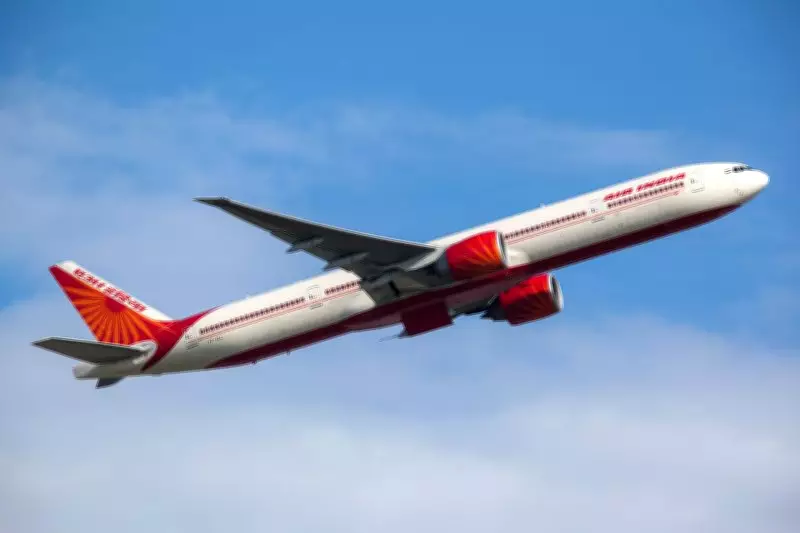
DGCA Approves Temporary Flight Duty Relaxations for Air India Amid Middle East Conflict
In response to the escalating Middle East conflict, the Directorate General of Civil Aviation (DGCA) has granted temporary relaxations in flight duty time limitations for Air India's long-haul operations. This move comes as the airline navigates extended flight paths due to airspace restrictions over Iran and Iraq, significantly impacting aviation safety and operational logistics.
Extended Routes and Operational Challenges
With Iranian and Iraqi airspace off-limits, Air India has been rerouting its European and North American flights through Egypt, leading to increased flying hours. The conflict, which intensified on February 28, has forced many airlines to adjust their services, with Air India opting for routes via Oman, southern Saudi Arabia, and Egypt. For some ultra-long-haul destinations, technical stops in Rome have become necessary, further complicating flight schedules.
Specific Relaxations in Flight Duty Norms
The DGCA's exemptions, valid until April 30, include key adjustments to pilot duty times. For flights operated with two pilots, the Flight Time (FT) has been extended by 1.30 hours to a maximum of 11.30 hours, while the Flight Duty Period (FDP) has been increased by 1.45 hours to 11.45 hours. Additionally, the 30-minute roster planning buffer requirement has been waived. These measures aim to accommodate the longer durations without compromising safety standards.

Allegations of Norm Violations
Despite the relaxations, sources indicate that Air India may be exceeding the allowed limits. Specifically, the airline has been accused of planning its Jeddah flight with an FDP of 11.55 hours, surpassing the extended limit by 10 minutes. This raises concerns about adherence to aviation regulations, though neither Air India nor DGCA has officially commented on these allegations.
Impact on Aviation Industry
The Middle East conflict has disrupted global flight operations, with airlines worldwide reducing services. The DGCA's decision highlights the broader challenges faced by the aviation sector in maintaining safety while adapting to geopolitical tensions. It remains unclear whether other carriers, such as IndiGo, have received similar exemptions for their long-haul flights.
Flight Time (FT) is defined as the period from when an aircraft first moves for takeoff until it comes to rest after landing, while Flight Duty Period (FDP) encompasses the time from when a crew member reports for duty until the engines are shut down after the final flight. Under normal circumstances, for a single landing, maximum FT and FDP are capped at 10 hours and 13 hours, respectively.






