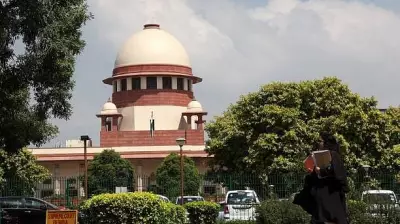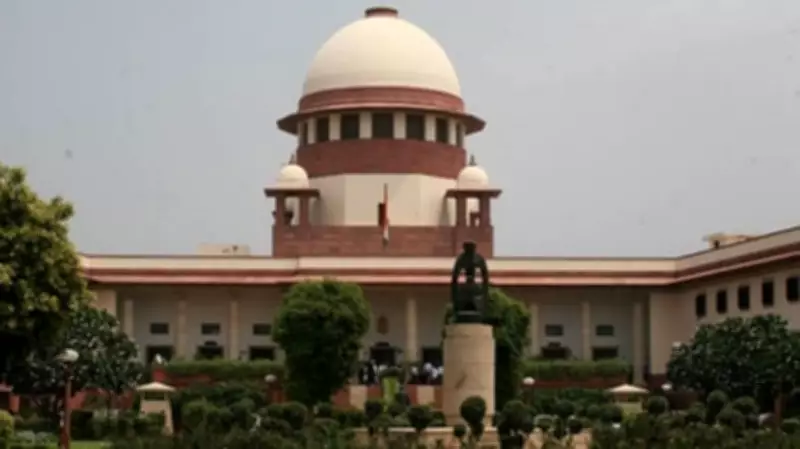
Supreme Court Nine-Judge Constitution Bench Initiates Historic Hearing on 'Industry' Definition
A nine-judge Constitution Bench of the Supreme Court of India has formally commenced a landmark hearing to interpret and define the term 'industry' under the Industrial Disputes Act, 1947. This pivotal judicial proceeding, which began on a recent date, aims to resolve a long-standing legal ambiguity that has significant implications for labor rights, employment regulations, and industrial relations across the nation.
Background and Legal Context of the Case
The hearing stems from a reference made by a smaller bench, which identified the need for a comprehensive interpretation of Section 2(j) of the Industrial Disputes Act. This section outlines what constitutes an 'industry,' but its definition has been subject to varying judicial interpretations over the decades, leading to inconsistencies in how labor laws are applied.
Key aspects under consideration include:
- The scope of activities that qualify as an 'industry,' including whether it covers educational institutions, charitable organizations, and government departments.
- The impact on workers' rights, such as eligibility for benefits like minimum wages, social security, and dispute resolution mechanisms.
- Historical precedents, including past Supreme Court rulings that have shaped the current understanding of the term.
Potential Implications for Labor and Industry
The outcome of this hearing is expected to have far-reaching consequences. By providing a clear and uniform definition, the Supreme Court could streamline labor law enforcement, reduce litigation, and enhance protection for millions of workers in both organized and unorganized sectors.
Experts suggest that a broad definition might extend labor law coverage to more entities, thereby strengthening workers' rights, while a narrow interpretation could limit protections. This decision is poised to influence:
- Employment Practices: How businesses and institutions classify their workforce and comply with labor regulations.
- Legal Frameworks: Potential amendments or clarifications in related laws and policies.
- Economic Impact: Effects on industrial growth, investment, and operational costs for various sectors.
Proceedings and Expected Timeline
The Constitution Bench, comprising nine judges, is hearing extensive arguments from multiple stakeholders, including government representatives, labor unions, and industry associations. The bench is expected to deliberate on complex legal questions, with hearings likely to span several days or weeks.
Given the magnitude of the issue, a final verdict may take time, but it is anticipated to set a precedent that will guide future labor disputes and policy-making. The court's decision will be closely monitored by legal experts, policymakers, and the business community alike.
This hearing underscores the Supreme Court's role in interpreting constitutional and statutory provisions to address evolving societal needs, ensuring that labor laws remain relevant and effective in contemporary India.