Dual Citizenship: A Strategic Opportunity for India
As global uncertainties increase and advanced economies show signs of fragility, many successful Indians living abroad are reconsidering their options. India stands to gain significantly from this shift. However, our current citizenship framework might be limiting deeper commitments of talent and capital from our own diaspora.
The Changing Global Landscape
Frequent conversations among business professionals now extend beyond legal matters and financial terms. These discussions increasingly reveal shared concerns about global instability alongside renewed optimism about India's prospects. Many successful Indian expatriates who have acquired foreign citizenship express a clear desire to reclaim or retain their Indian passport while maintaining their adopted nationality.
This desire represents more than mere convenience. It reflects a rational response to rapidly changing geopolitical and economic realities. India currently shines as a bright spot in the global economy. While advanced nations struggle with political polarization, slowing growth, and fiscal pressures, India offers scale, stability, and long-term opportunity.

It comes as no surprise that members of the Indian diaspora, who excel abroad while maintaining deep emotional and economic connections to India, seek more formal and enduring bonds with their homeland. The time appears right for India to reconsider its long-standing opposition to dual citizenship.
Current Framework and Its Limitations
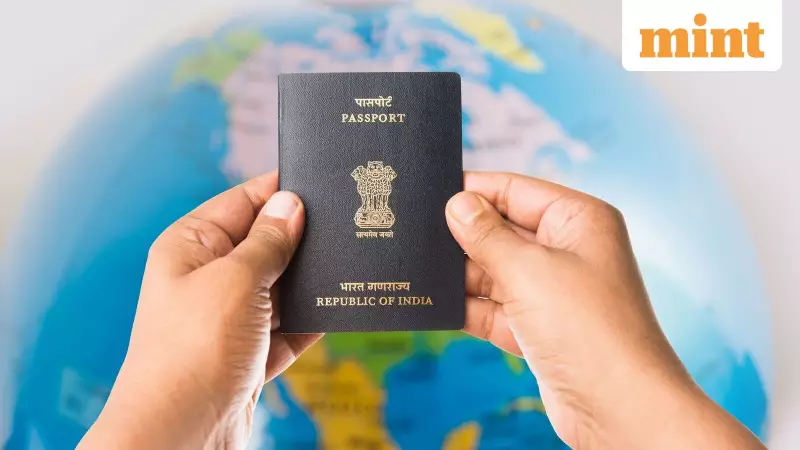
India's existing system centers on the Overseas Citizenship of India (OCI) program. This pragmatic innovation acknowledged the reality of global mobility while preserving the constitutional principle of single citizenship. OCI provides visa-free entry, economic parity with non-resident Indians in several areas, and a sense of belonging.
Yet OCI falls short of full legal nationality. Constitutionally, OCI holders remain foreigners. They lack absolute protection against regulatory changes and the security provided by an Indian passport. This distinction might seem minor during ordinary times, but it becomes significant during extraordinary circumstances.
The pandemic, sudden travel restrictions, evolving foreign investment rules, and rising geopolitical tensions have demonstrated how citizenship status can decisively influence outcomes. For many expatriates, the inability to hold Indian citizenship alongside foreign nationality restricts deeper engagement. This limitation affects long-term investment decisions, business relocations, and participation in public life.
Addressing Traditional Concerns
Traditional objections to dual citizenship typically focus on divided loyalties, national security risks, electoral integrity, and administrative complexity. While these concerns deserve consideration, they originated in an India that was economically cautious, geopolitically reserved, and institutionally less prepared to manage such complexities.
Today's India demonstrates greater confidence, capability, and integration with the global system. Most major democracies already permit dual citizenship. Countries like the United States, United Kingdom, Canada, Australia, Israel, and much of Europe view it not as diluted allegiance but as pragmatic recognition of global interdependence.
Their experience suggests dual citizens often become among the most engaged contributors economically, intellectually, and culturally. Little empirical evidence supports the notion that dual citizenship undermines national security or political stability when sensibly regulated.
The Strategic Case for India
India should consider dual citizenship as a matter of strategic statecraft. Over thirty million Indians live abroad, with countless more tracing ancestral ties to India. These individuals serve as potential ambassadors for India's growth story.
Indian expatriates now occupy senior positions in global finance, technology, healthcare, academia, and manufacturing. They control capital, influence investment decisions, and shape innovation ecosystems. While India actively courts foreign investment, it paradoxically withholds full citizenship from its most natural long-term investors.

Dual citizenship would reduce both legal and psychological barriers. This change would encourage long-term capital investment, entrepreneurial relocation, and deeper involvement with India's development narrative. Unlike today's ad-hoc engagements, it would facilitate easier participation of overseas Indians in corporate boards, universities, policy advisory roles, and philanthropic institutions.
Many second-generation Indians abroad maintain strong cultural connections to India while achieving professional success globally. Offering them a structured path to Indian citizenship would anchor their identity and engagement early, preventing India from becoming merely a distant ancestral memory.
A Practical Implementation Model
A selective, case-by-case approach could address most legitimate concerns. Eligibility might be confined to individuals meeting specific criteria such as clean legal records, demonstrable economic or professional contributions, and explicit allegiance to India's constitutional values. Categories including citizens of nations considered adversaries could face exclusion or enhanced scrutiny.
Political rights could be carefully calibrated. Voting rights might link to tax residency requirements. Constitutional offices, security-sensitive positions, and high public trust roles could remain restricted to sole Indian citizens. Many democracies successfully implement such nuanced distinctions.
India possesses the technological and administrative capacity for such a system. Digital identity platforms, global information sharing, and robust verification mechanisms significantly mitigate risks that once appeared overwhelming.
As economic and geopolitical strategies shift worldwide, many Indian expatriates stand ready to place larger bets on India. The crucial question remains whether India will reciprocate with trust, foresight, and confidence in its own global community.