

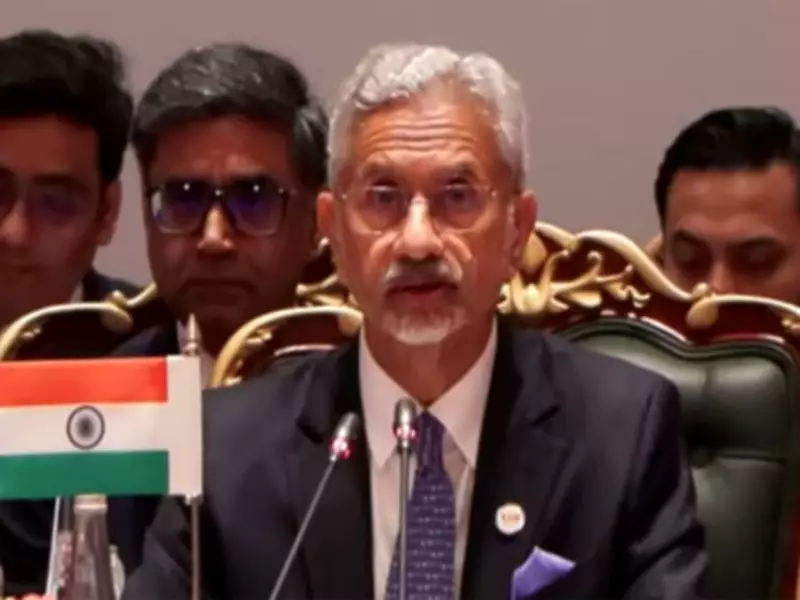
External Affairs Minister (EAM) S. Jaishankar has advanced discussions on the institutional development of the BRICS grouping, emphasizing that a robust framework is essential for its smooth advancement. Addressing a session in New Delhi, Jaishankar highlighted the need for structured mechanisms to enhance cooperation among member nations—Brazil, Russia, India, China, and South Africa.
Institutional Framework Key to BRICS Progress
The minister noted that as BRICS evolves, institutional development becomes critical for effective decision-making and implementation of joint initiatives. He pointed out that clear protocols and shared objectives would enable the grouping to address global challenges more cohesively.
Focus on Multilateral Cooperation
Jaishankar reiterated India's commitment to multilateralism and stressed that BRICS must adapt to the changing geopolitical landscape. He called for greater synergy in areas such as trade, finance, and sustainable development, which would benefit not only member states but also the Global South.

The EAM also underscored the importance of inclusive growth and digital transformation within the BRICS agenda. He advocated for leveraging technology to bridge developmental gaps and foster innovation among member countries.
Furthermore, Jaishankar emphasized that institutional strengthening would facilitate smoother collaboration on global issues like climate change, health security, and counter-terrorism. He urged member nations to work towards consensus-building and mutual respect for each other's perspectives.
The discussions come ahead of the upcoming BRICS summit, where institutional reforms are expected to be a key agenda item. India has been proactive in pushing for a more structured approach to ensure the grouping remains relevant and effective in a multipolar world.
In conclusion, Jaishankar's remarks reflect India's vision for a reformed multilateral system where BRICS plays a pivotal role. The emphasis on institutional development signals a strategic shift towards long-term planning and operational efficiency within the bloc.






