EU Leaders Set for High-Profile India Visit
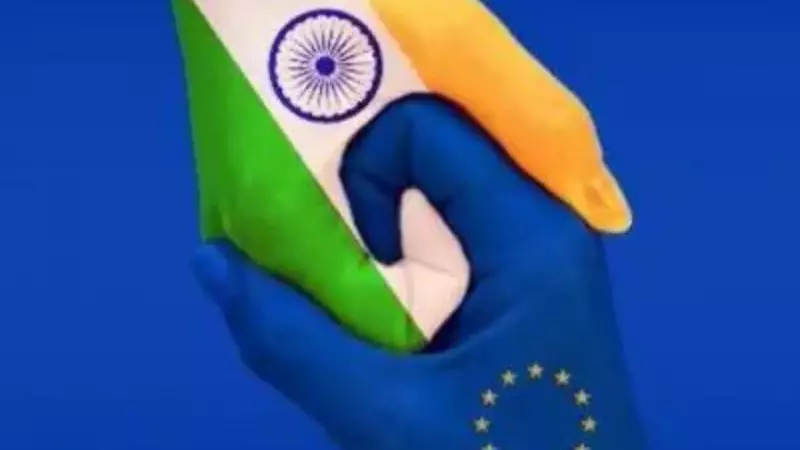
The Indian government has officially announced a significant diplomatic visit. European Council President António Luís Santos da Costa and European Commission President Ursula von der Leyen will travel to India. They will participate in the 16th India-EU summit scheduled for January 27.
Both leaders will also attend the Republic Day parade as chief guests on January 26. This marks the first time European Union leaders receive this honor at the parade. The 27-nation bloc views this invitation as a strong signal of deepening ties between the EU and India.
Summit Aims to Strengthen Strategic Partnership
The upcoming summit represents the culmination of months of intensive diplomatic work. Both sides have been working hard to enhance bilateral relations. The European Union recently finalized a new strategic agenda for India. This move comes amid growing global uncertainties and shifting international alliances.

According to the EU, several key areas will dominate the summit discussions. These include trade, security, defence cooperation, clean energy transition, and people-to-people contacts. The EU considers India a crucial partner in maintaining the rules-based international order.
European Council President Costa emphasized the importance of this meeting. He stated that the summit provides a key opportunity to build on the existing partnership. It will drive progress in cooperation between the two sides.
Free Trade Agreement Tops the Agenda
Negotiators from both sides are currently scrambling to finalize a comprehensive free trade agreement. This FTA stands as the most anticipated deliverable from the summit. Officials also hope to formalize an EU-India defence and security partnership. This agreement would facilitate greater defence industrial cooperation.
However, significant challenges remain in the trade negotiations. Both sides have encountered difficult differences in critical areas. These include automobiles, steel, and the EU's Carbon Border Adjustment Mechanism. The CBAM essentially functions as a carbon tax on certain imported goods.
Foreign Secretary Vikram Misri addressed these concerns last week. He confirmed that discussions on the CBAM issue are ongoing. India aims to ensure all its interests receive proper protection in the final FTA text.
Climate Commitments and Sovereignty Concerns
The European Union wants the Paris Agreement commitments embedded within the free trade agreement. This international treaty governs global climate action. Brussels sees this as essential for sustainable trade relations.
India, however, views climate commitments as a sovereignty issue. New Delhi prefers to keep trade negotiations separate from climate policy discussions. Both sides hope that high-level political intervention during the summit can help break this deadlock.
Expanding Cooperation Across Multiple Fronts
The Indian government highlighted the expanding scope of bilateral relations. India and the EU have been strategic partners since 2004. Their ties have grown significantly across numerous areas. This expansion gained momentum after the historic visit of the EU College of Commissioners to India in February 2025.
The previous summit occurred virtually in July 2020. The upcoming in-person meeting aims to advance cooperation in areas of mutual interest. Both sides anticipate concrete progress on several initiatives.
Digital Connectivity and Infrastructure Projects
The summit may also see progress on digital infrastructure projects. The European Union is advancing plans for the EU-Africa-India Digital Corridor. This initiative falls within the broader IMEC framework.
The project involves creating a submarine cable system connecting Europe to India. The proposed route would pass through the Mediterranean region, the Middle East, and Eastern Africa. According to the EU's new strategic agenda, this corridor will provide ultra-high-speed data connectivity.
The system promises secure and diversified data transmission. It aims to be resilient against disruptions caused by natural disasters or potential sabotage attempts. This digital infrastructure represents a tangible example of deepening EU-India cooperation.

The visit of both European leaders underscores the growing importance of the India-EU relationship. As global dynamics shift, both partners seek to strengthen their strategic alignment. The summit outcomes could shape economic and security cooperation for years to come.