

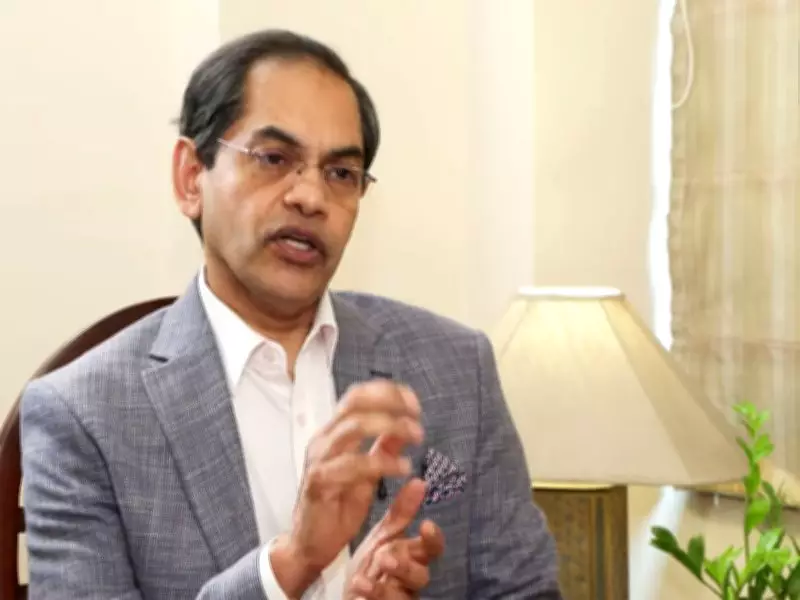
Former Indian Ambassador Applauds Government's Proactive Response to LPG Challenges
In a recent development, a former Indian ambassador has publicly commended the proactive measures undertaken by the Indian government as the nation navigates a disproportionate impact on liquefied petroleum gas (LPG) supplies amid escalating tensions in West Asia. This situation underscores the critical importance of strategic diplomacy and economic resilience in times of global uncertainty.
Navigating the Disproportionate LPG Hit
The tensions in West Asia have led to significant disruptions in the global energy market, with India facing a particularly severe impact on its LPG imports. LPG, a vital fuel for households and industries across the country, has seen supply chain challenges due to geopolitical instability in the region. The former ambassador emphasized that India's reliance on imports from West Asia makes it vulnerable to such shocks, highlighting the need for robust contingency plans.
The government's response has been swift and multifaceted, involving diplomatic engagements, diversification of supply sources, and strategic stockpiling to mitigate potential shortages. These efforts aim to ensure that domestic consumers do not face undue hardship, while also stabilizing prices in the market.

Proactive Government Measures Lauded
According to the former ambassador, the Indian government's approach has been exemplary in its foresight and execution. Key measures include:
- Enhanced diplomatic outreach to key stakeholders in West Asia to secure stable LPG supplies and explore alternative routes.
- Accelerated efforts to diversify import sources, including increased procurement from other regions such as Africa and the Americas.
- Implementation of strategic reserves and buffer stocks to cushion against sudden supply disruptions.
- Collaboration with domestic industries to boost production and efficiency in LPG distribution networks.
These steps not only address immediate concerns but also contribute to long-term energy security, reducing India's dependency on volatile regions. The former ambassador noted that such proactive governance is crucial for maintaining economic stability and public confidence during crises.
Implications for India's Energy Strategy
The current situation serves as a reminder of the interconnected nature of global politics and energy markets. India's experience highlights the need for a comprehensive energy strategy that balances domestic production, international partnerships, and crisis management protocols. The government's actions are seen as a positive step toward building resilience against future geopolitical shocks.
Moreover, this episode reinforces the importance of sustained diplomatic efforts in West Asia, where India has significant economic and strategic interests. By navigating these challenges effectively, India can strengthen its position as a key player in the global energy landscape.
In conclusion, the former ambassador's praise underscores the effectiveness of India's response to the LPG crisis amid West Asia tensions. Through proactive measures and strategic planning, the government has demonstrated its commitment to safeguarding national interests and ensuring energy security for its citizens.






