

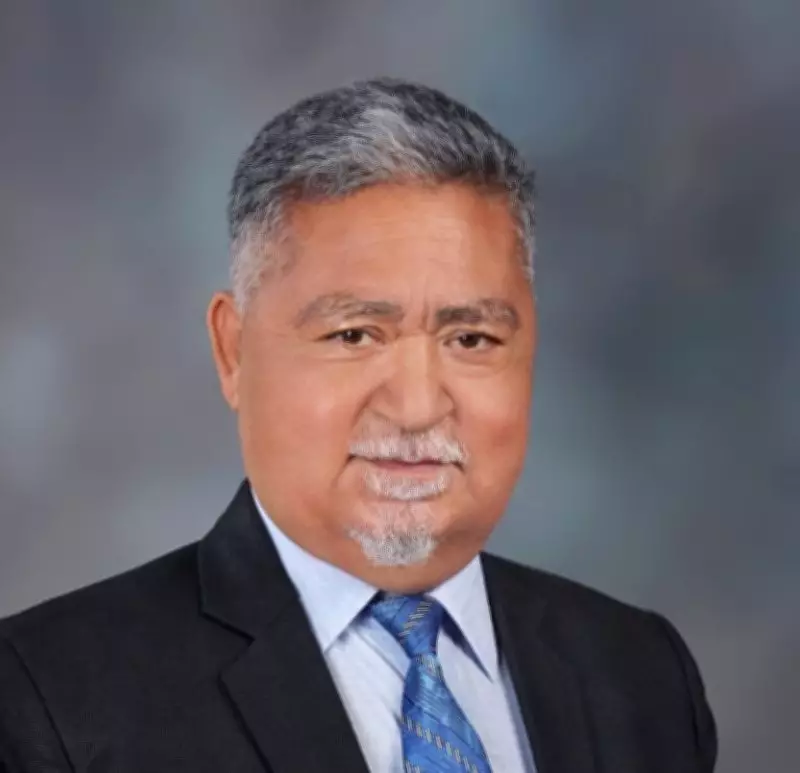
Former Indian Ambassador and Ladakh Scholar P. Stobdan Passes Away
The strategic and diplomatic community is mourning the loss of P. Stobdan, a former Indian ambassador and a distinguished expert on Ladakh and Himalayan affairs. His passing marks the end of an era for scholars and policymakers focused on India's northern frontiers and international relations.
A Distinguished Diplomatic Career
P. Stobdan served India with distinction in various diplomatic capacities, representing the nation on the global stage. His postings and work were instrumental in shaping India's foreign policy, particularly in regions critical to national security and geopolitical interests.
Throughout his career, he was known for his deep insights and analytical prowess, contributing significantly to India's strategic discourse. His expertise extended beyond diplomacy into academia, where he was a respected voice on international relations.

Renowned Expertise on Ladakh and Strategic Affairs
Stobdan was widely recognized as a leading authority on Ladakh, with his research and writings providing valuable perspectives on the region's cultural, political, and strategic dimensions. His work helped illuminate the complexities of Himalayan geopolitics for both experts and the general public.
He authored several influential books and articles that explored:
- The historical and contemporary significance of Ladakh in India's security framework.
- Geopolitical dynamics in Central Asia and their implications for India.
- Strategic challenges and opportunities in the Himalayan region.
His contributions have left an indelible mark on the field, guiding future generations of scholars and diplomats.
Legacy and Impact
The passing of P. Stobdan is a significant loss to India's intellectual and diplomatic circles. His legacy includes:
- Diplomatic Service: Enhancing India's international standing through dedicated foreign service.
- Academic Contributions: Advancing knowledge on Ladakh and strategic studies through rigorous research.
- Policy Influence: Informing government strategies with his expert analyses on critical issues.
Colleagues and admirers remember him for his commitment to excellence and his ability to bridge the gap between theory and practice in international affairs. His work continues to be a reference point for those studying India's foreign policy and regional security.
As news of his demise spreads, tributes are pouring in from across the diplomatic, academic, and strategic communities, highlighting his profound impact and the void his absence creates.






