France Reconsiders NATO Role Amid Growing Tensions With Washington
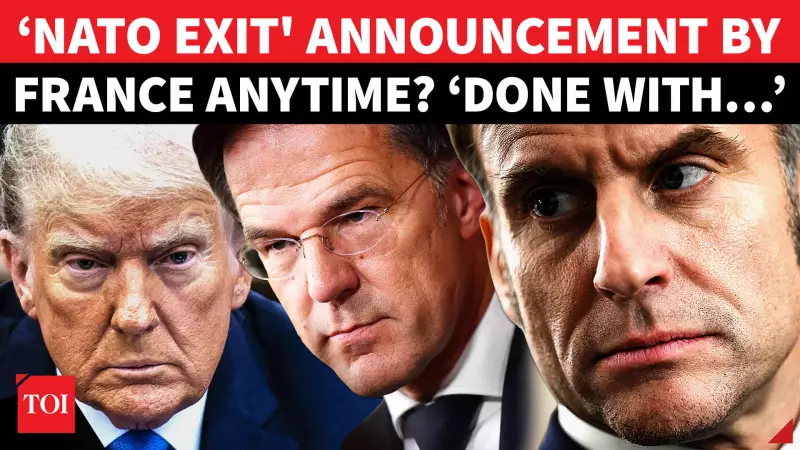
French political circles are witnessing a remarkable shift. A debate once considered off-limits is now gaining momentum at the highest levels. Senior lawmakers in France are publicly questioning whether the North Atlantic Treaty Organization still aligns with French national interests. This comes as relations with the United States grow increasingly strained.
Greenland Emerges as a Critical Flashpoint
The Arctic island of Greenland sits at the center of this diplomatic storm. Former U.S. President Donald Trump has repeatedly refused to rule out acquiring Greenland. This stance has triggered alarm across European capitals. French officials express deep concern that automatic alignment with Washington could pull Paris into conflicts beyond its control.
The situation escalated recently with the unexpected deployment of European troops to Greenland. This move highlights how Arctic security has transformed into a major geopolitical battleground. NATO's internal cohesion now faces one of its most severe challenges in recent memory.

Fractures Within the Alliance Become Visible
For decades, NATO presented a united front. Today, that unity appears fragile. French politicians warn against what they call "blind alignment" with American policies. They argue that such an approach risks French sovereignty and security independence.
The debate extends beyond Greenland. It touches on fundamental questions about European strategic autonomy. French voices are growing louder in suggesting that NATO might no longer serve France's best interests. This represents a significant departure from traditional French foreign policy positions.
Wider Implications for Transatlantic Relations
This French questioning occurs alongside other transatlantic tensions. Recent developments include:
- U.S. pressure tactics on European allies regarding defense spending
- Trade threats from Washington targeting nations opposing American Arctic ambitions
- Growing European concerns about being drawn into conflicts not of their making
The Greenland controversy has exposed deeper fault lines within the Western alliance. As Arctic resources gain strategic importance, these divisions are likely to intensify. French officials emphasize that Paris must carefully evaluate its NATO commitments in light of evolving global dynamics.
What began as a discussion about a remote Arctic territory has evolved into a fundamental reassessment of France's place in the Western security architecture. The outcome of this debate could reshape European defense cooperation for years to come.