

Trump's Gaza Peace Board Faces Severe Funding Shortfall, Stalling Reconstruction Plans
The Board of Peace established under former US President Donald Trump has received only a small fraction of the $17 billion originally pledged for Gaza's reconstruction, significantly hampering plans for the war-ravaged region's future. According to Reuters sources, the funding crisis has created major obstacles for implementing post-conflict governance structures in the devastated Palestinian territory.
Limited International Contributions Despite Pledges
Just days before US-Israeli strikes on Iran escalated into broader regional conflict, Trump hosted a Washington conference where Gulf Arab nations committed billions toward Gaza's governance and reconstruction following two years of devastating warfare. Out of ten countries that made financial pledges, only the United Arab Emirates, Morocco, and the United States have actually contributed funds so far, according to a source familiar with the peace board's operations.
The total funding received remains below $1 billion, though specific amounts weren't disclosed. The source emphasized that the war involving Iran has profoundly affected all aspects of the reconstruction effort, worsening what was already a strained funding situation.

Critical Impact on Governance Transition Plans
The funding crisis has directly impacted plans to deploy the National Committee for the Administration of Gaza (NCAG), a US-backed body of Palestinian technocrats intended to assume control from Hamas. According to another Palestinian official familiar with the matter, the board informed Hamas and other Palestinian factions that NCAG cannot enter Gaza currently due to insufficient funding.
"No money is currently available," the official cited board envoy Nickolay Mladenovas as informing Palestinian groups. The NCAG, led by Ali Shaath, was envisioned as the administrative authority for post-conflict Gaza, responsible for running ministries and overseeing policing after Hamas disarmament and Israeli troop withdrawal.
Security Concerns Compound Funding Problems
Both funding shortages and ongoing security concerns have prevented the committee from deploying to Gaza. Members are currently stationed in Cairo under supervision, awaiting clarity on next steps. Sources confirmed that NCAG has been unable to move into Gaza due to this combination of financial and security challenges.
Despite a ceasefire agreement reached last October, violence has continued in the region. Local health officials report that Israeli strikes have killed at least 700 people in Gaza since that agreement, further complicating reconstruction efforts.
Massive Reconstruction Costs and Humanitarian Toll
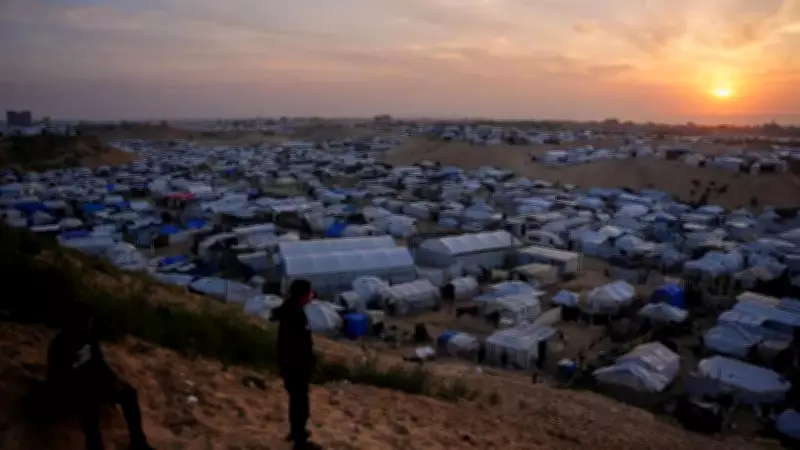
Global estimates suggest rebuilding Gaza, where nearly 80% of infrastructure has been damaged or destroyed, could cost approximately $70 billion. The conflict began after Hamas' October 7, 2023 attacks on Israel, which killed around 1,200 people. Israel's subsequent military campaign has killed over 72,000 Palestinians according to local health authorities and displaced much of the population.
Diplomatic Deadlock and Future Risks
Talks hosted by Egypt on disarming Hamas have made minimal progress, with both sides maintaining hardline positions. Israel insists Hamas must disarm before any troop withdrawal, while Hamas demands guarantees of a full Israeli pullout and cessation of hostilities.
Diplomatic sources told Reuters that this deadlock raises the risk of renewed large-scale offensive actions, further complicating fragile peace efforts. The combination of funding shortages, security concerns, and diplomatic stalemate creates significant challenges for Gaza's immediate future and long-term reconstruction prospects.






