US House Votes to Relax Showerhead Water Flow Regulations
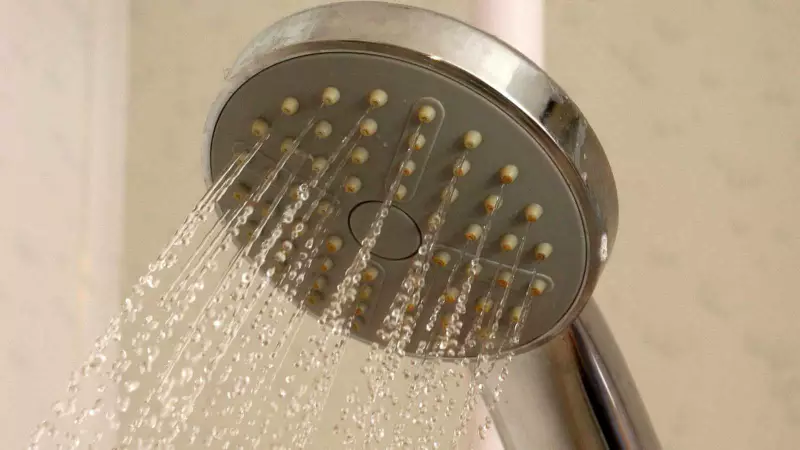
The Republican-controlled US House of Representatives has passed legislation aimed at loosening federal efficiency standards for showerheads. This move seeks to fulfill a long-standing desire of former President Donald Trump to "make showers great again." The bill, known as the Saving Homeowners from Overregulation With Exceptional Rinsing (Shower ACT), passed with a vote of 226-197 on Tuesday.
Bipartisan Support and Opposition
Eleven Democrats crossed party lines to support the bill, while most Democrats opposed it. Republicans argue that the measure will wash away unnecessary regulations and permit more water to flow through showerheads in homes. They view current standards as overregulation that restricts consumer choice.
Democrats, however, warn that relaxing these standards could soak consumers with higher utility bills. They also express concerns about worsening environmental impacts due to increased water consumption and energy use.

Details and Senate Prospects
The legislation is light on specific details, and its prospects in the Senate remain uncertain. Senators are currently focusing their attention on government funding and foreign policy issues. Despite this, the bill is part of a broader effort by House Speaker Mike Johnson to codify Trump's executive actions into federal law.
In April, Trump signed an executive order calling for an immediate end to water conservation standards. These standards limit the gallons per minute flowing through showerheads and other household appliances like dishwashers, washing machines, and toilets. The House bill builds on this directive by seeking to reduce what Republicans see as overregulation.
Historical Context of Showerhead Regulations
For over three decades, federal energy law has outlined appliance standards. These determine that new showerheads should not pour out more than 2.5 gallons of water per minute (9.5 litres). The Obama administration refined these restrictions and applied the limits to the entire showerhead, even those with several nozzles.
During his first term, Trump relaxed that rule to allow each nozzle of a showerhead to spray as much as 2.5 gallons. The Biden administration reversed Trump's action in 2021. Republicans now defend the bill as a necessary corrective to restore consumer freedom.
Voices from the Debate
GOP Representative Russell Fry, the sponsor of the bill, emphasized consumer choice. He stated, "If they want a nozzle that dribbles on their head, well then go get one of those. If you want something that slices an orange, well then go get one of those. That should be your choice as a consumer."
Democrats questioned the timing and priority of the bill. Representative Melanie Stansbury said during debate last week, "Why on God's green earth, on the first full day that this Congress is back in 2026, are the Republicans using the floor time — in the midst of armed conflict and daily corruption by this administration — to run a bill on rich people showers?"
Environmental and Economic Concerns
Environmental groups have criticized the proposal, warning it would lead to increased water consumption and higher energy use. Democrats echoed these concerns, arguing that the bill could burden households with rising costs and harm sustainability efforts.
Republicans countered by framing the issue as one of practicality and relief for everyday Americans. GOP Representative Michael Rulli of Ohio said, "You go on vacation, you go to a motel and you get a shower, it's the worst shower you ever had. It's cold. It's dripping out there. The working man cannot even enjoy his daily life." He added that Republicans are "worried about the working man."
The debate highlights ongoing tensions between regulatory efficiency and consumer freedom in US policy. As the bill moves to the Senate, its fate will depend on broader legislative priorities and political dynamics.