

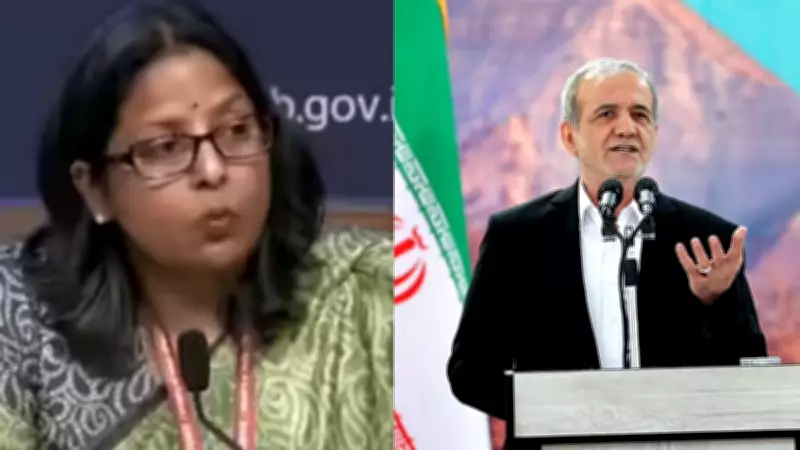
India Reassures on Oil Security Amid Middle East Tensions
In a significant development addressing global energy concerns, the Indian government has issued a firm statement asserting that there is no need for panic regarding its crude oil supplies. This announcement comes amidst escalating tensions in the Middle East that have raised fears over potential disruptions to maritime trade routes, particularly the strategic Strait of Hormuz.
Diversified Import Routes Ensure Stability
Officials revealed that a substantial 70% of India's crude oil imports are currently sourced through routes that do not traverse the Hormuz Strait. This diversification strategy has been a cornerstone of India's energy security policy, reducing dependency on this volatile chokepoint. The government emphasized that this buffer provides resilience against geopolitical shocks, ensuring a steady flow of oil to meet the nation's growing energy demands.
"Our import infrastructure and logistics are robust, with multiple alternatives in place," a senior official stated, highlighting investments in ports and pipelines that facilitate imports from other regions. This move is part of a broader effort to mitigate risks associated with over-reliance on any single transit corridor.

Iran Proposes Three-Point Plan to End Gaza War
In a related diplomatic maneuver, Iran has publicly outlined three key terms to bring an end to the ongoing conflict in Gaza. The conditions, presented as a pathway to peace, include:
- An immediate and comprehensive ceasefire between all involved parties.
- The complete lifting of the blockade on Gaza to allow humanitarian aid and reconstruction.
- International guarantees for the protection of Palestinian rights and sovereignty.
Iranian officials stressed that these terms are non-negotiable prerequisites for any lasting resolution. "We believe this framework addresses the root causes of the conflict and paves the way for sustainable peace," an Iranian spokesperson commented, urging global powers to engage constructively.
Implications for Regional and Global Stability
The juxtaposition of India's energy assurance and Iran's peace proposal underscores the interconnected nature of economic and political dynamics in the region. India's stance aims to calm market jitters and prevent oil price volatility, which could impact economies worldwide. Meanwhile, Iran's terms add a new dimension to international diplomacy, potentially influencing negotiations and alliances.
Experts note that while India's diversified imports reduce immediate risks, long-term stability hinges on peaceful resolutions to conflicts like the one in Gaza. The global community watches closely as these developments unfold, with implications for trade, security, and humanitarian efforts in the Middle East and beyond.






