

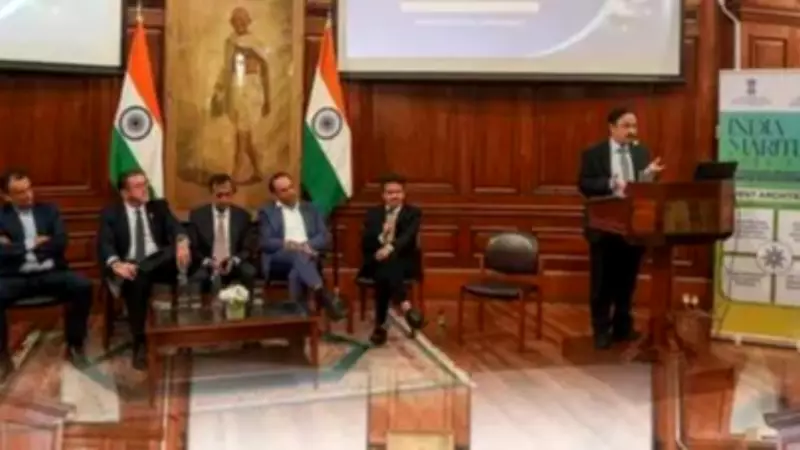
India to Post Maritime Official at London High Commission for IMO Coordination
The Indian government has approved a proposal to deploy a dedicated official at the Indian High Commission in London, specifically tasked with managing matters related to the International Maritime Organization (IMO) and associated technical affairs. This strategic move comes as global supply chain disruptions, particularly those impacting maritime routes, have become increasingly frequent in recent years, posing significant challenges to international trade.
Approval and Implementation of the Proposal
The shipping ministry's initiative has received formal approval from the Department of Expenditure, paving the way for the appointment of an official to this crucial role in the near future. This decision underscores India's proactive approach to enhancing its diplomatic and technical engagement with the IMO, a specialized United Nations agency responsible for regulating shipping and maritime safety.
Importance of Maritime Trade for India's Economy
India's export-import (EXIM) trade is profoundly reliant on maritime transport, with sea routes serving as the backbone of the nation's commercial activities. Approximately 95% of India's trade by volume and around 70% by value is facilitated through these maritime channels. This heavy dependence highlights the critical need for robust representation and expertise in international maritime forums to safeguard and promote India's economic interests.

Context of Global Supply Chain Challenges
The timing of this appointment is particularly significant, given the escalating disruptions in global supply chains that have intensified over recent years. Issues such as geopolitical tensions, logistical bottlenecks, and environmental concerns have frequently impacted sea routes, affecting the flow of goods and commodities worldwide. By stationing an official in London, India aims to strengthen its capacity to address these challenges effectively and collaborate on solutions within the IMO framework.
Strategic Implications and Future Outlook
This move is expected to enhance India's influence in maritime policy-making and technical standards, ensuring that the country's perspectives are adequately represented in international discussions. It also reflects a broader strategy to bolster diplomatic ties and technical cooperation with key global partners, positioning India as a proactive player in shaping the future of maritime governance and trade security.






