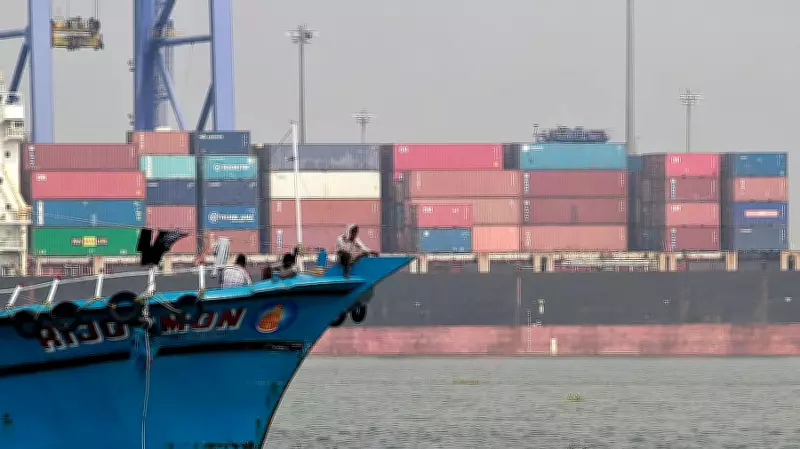
India Issues Directive for Ports to Consider Waiving Charges Amid West Asia Crisis
In a significant move to address the ongoing crisis in West Asia, the Indian ministry has formally requested ports across the country to consider waiving certain charges. This directive is part of a broader effort to mitigate the impact of the regional instability on shipping and trade operations. The ministry has also released a detailed Standard Operating Procedure (SOP) to streamline the process, ensuring swift and coordinated action.
New Standard Operating Procedure for Rapid Response
The newly issued SOP outlines clear guidelines for ports to follow in response to the crisis. A key component of this procedure is the appointment of a nodal officer at each port. This officer will be responsible for overseeing the implementation of the waiver considerations and liaising with higher authorities to expedite decisions.
Responsibilities of the Nodal Officer:

- Take up the matter with the competent authority to advocate for charge waivers.
- Ensure that necessary actions are completed within a strict timeframe of 24 to 72 hours.
- Monitor compliance and report back to the ministry on progress and challenges.
Implications for Shipping and Trade
This directive is expected to provide relief to shipping companies and traders affected by the West Asia crisis, which has disrupted maritime routes and increased operational costs. By waiving charges, ports can help reduce financial burdens and maintain the flow of goods, supporting India's trade resilience during this turbulent period.
The ministry's proactive approach aims to balance economic considerations with humanitarian and logistical needs, reflecting a commitment to stabilizing regional trade dynamics.
As the situation in West Asia continues to evolve, this SOP serves as a critical tool for ports to respond effectively, with the nodal officer playing a pivotal role in ensuring timely and efficient execution of the ministry's directives.