

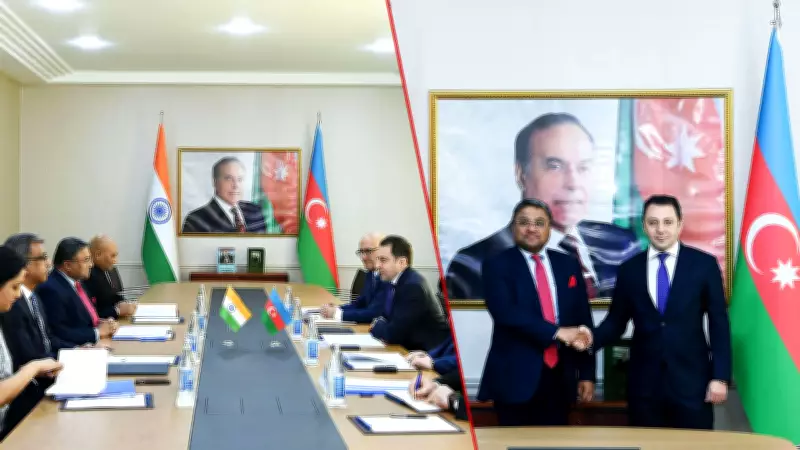
India and Azerbaijan Restart Diplomatic Engagement Following Operation Sindoor Controversy
In a significant diplomatic development, India and Azerbaijan have officially resumed high-level talks, marking a pivotal shift from the recent tensions sparked by the Operation Sindoor dispute. The meeting, held in Baku, underscores a strategic move by both nations to transition from confrontation to constructive dialogue, emphasizing engagement over isolation in their bilateral relations.
From Confrontation to Conversation: A Diplomatic Reset
The fallout from Operation Sindoor had previously strained ties between New Delhi and Baku, but the latest engagement signals a deliberate effort to address differences head-on while maintaining open communication channels. India's decision to prioritize dialogue reflects a calibrated approach to navigating complex global alignments, demonstrating that diplomacy is not about avoiding disagreements but effectively managing them.
This reset comes at a critical juncture as regional dynamics continue to evolve, with both countries recognizing the importance of sustained interaction despite political strains.

Expanding the Agenda: Trade, Energy, and Security Cooperation
Beyond addressing the immediate tensions, the talks in Baku broadened to cover key areas of mutual interest, including:
- Trade and economic partnerships, aimed at boosting bilateral commerce and investment flows.
- Energy collaboration, exploring opportunities in sectors like oil and gas to enhance energy security.
- Regional security concerns, with India making a pointed reference to cross-border terrorism, reinforcing its stance without escalating rhetoric.
This multifaceted agenda highlights a pragmatic focus on practical coordination, as seen in recent cooperation on evacuating Indian citizens from Iran, which showcased the ability to work together despite underlying disputes.
Strategic Implications and the Road Ahead
The resumption of dialogue places diplomacy at the center of India-Azerbaijan ties, offering a pathway to manage challenges while fostering cooperation. India's approach underscores a broader strategy of engaging even with nations that may disagree on certain issues, balancing disputes with collaborative efforts.
As both countries look ahead, the road may remain fraught with difficulties, but the return to conversation provides a foundation for navigating future complexities. This engagement not only strengthens bilateral relations but also contributes to regional stability, demonstrating that sustained dialogue is essential in today's interconnected world.






